Cruise Lines Introduce Fuel Surcharges Amid Middle East Conflict
As hostilities continue to escalate across the Middle East, the global cruise industry is grappling with significantly increased operational expenses. Two prominent Asia-based cruise operators have now implemented new fuel surcharges to mitigate the mounting financial pressures stemming from the conflict.
New Surcharges Announced for Future Bookings
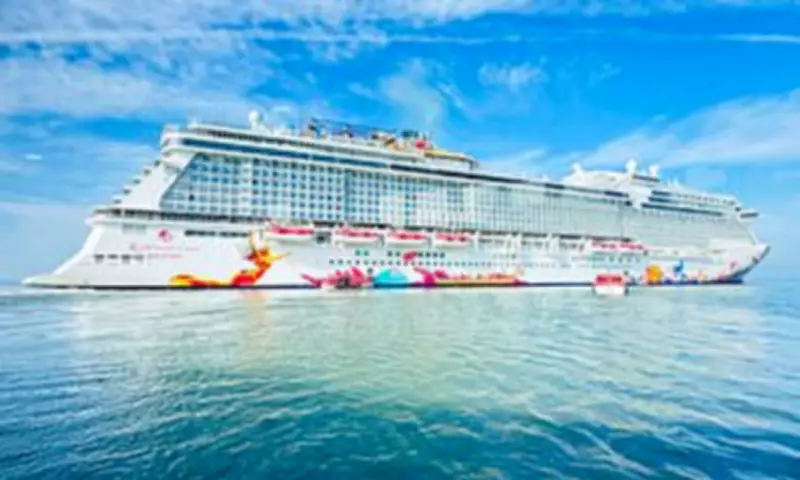
StarCruises and Dream Cruises, both operating under the Resorts World Cruises brand, officially launched these new charges earlier this month. The surcharge will be applied to all new bookings made on or after 20 March 2026. The cruise lines have explicitly linked this decision to the ongoing geopolitical developments.
In a statement, the companies explained: 'Due to recent geopolitical developments in the Middle East, oil prices have increased significantly, leading to higher fuel and related costs for our vessels, including Star Navigator, Star Voyager, and the Genting Dream.'

Consequently, a variable fuel surcharge will be introduced. The companies noted: 'This surcharge is determined based on the operating requirements of each ship and itinerary; and may therefore vary across our fleet.'
Variable Charges and Review Mechanism
The exact cost of the surcharge will differ depending on the specific vessel and its departure port. The lines have provided several examples:
- For Star Voyager sailings departing from Hong Kong, a fuel surcharge of HKD 200 (approximately £19.29) per guest, per night will apply to passengers aged two years and above.
- Star Navigator voyages leaving from Keelung will incur a charge of NTD 600 (around £14.20) per guest, per night.
- For Star Voyager sailings departing from Singapore or Port Klang, and for Genting Dream voyages from Singapore and neighbouring homeports, the surcharge will be SGD 15 (about £8.80) per guest, per night.
The total fuel surcharge amount will be automatically added to each guest's onboard account for settlement before disembarkation. The cruise operators have also indicated that this surcharge is subject to review. 'This surcharge will be reviewed in line with fuel price movements and may be adjusted downward if prices ease or revised for new bookings should prices continue to rise,' they stated.
Broader Impact on the Travel Industry
This move by the cruise lines reflects a wider crisis affecting the entire travel and tourism sector due to the conflict. Airlines are similarly facing steep increases in aviation fuel costs, leading to fare hikes and operational adjustments.
For instance, Hong Kong's Cathay Pacific has introduced an emergency fuel surcharge. Meanwhile, Scandinavian Airlines System (SAS), based in Stockholm, announced the cancellation of some routes citing the 'sharp and sudden increase' in jet fuel prices. Reports indicate that hundreds of flights operated by this flag carrier for Sweden, Denmark, and Norway are being scrapped.
A spokesperson for SAS told media: 'Given the ongoing situation in the Middle East, including the sharp and sudden increase in global fuel prices, we, just like many other airlines, have taken measures to strengthen our resilience. This includes a limited number of short‑term adjustments to our traffic program.'
The spokesperson added that the airline is consolidating capacity on departures where good same-day alternative connections exist, aiming to maintain reliable travel options for customers.
As families reconsider holiday plans and the tourism industry braces for further disruption, cruise operators like StarCruises and Dream Cruises emphasise that these measures are necessary. They stated: 'We appreciate your understanding as this measure allows us to continue operating our sailings while maintaining the quality of service and experience our guests expect.'