Castle Hedingham, a picturesque village in Essex, is home to a well-preserved Norman castle, a range of independent businesses, and a community that locals say is in good shape. The village, set in the Colne Valley on the ancient road from Colchester to Cambridge, offers a mix of history and local enterprise.
A Historic Heart
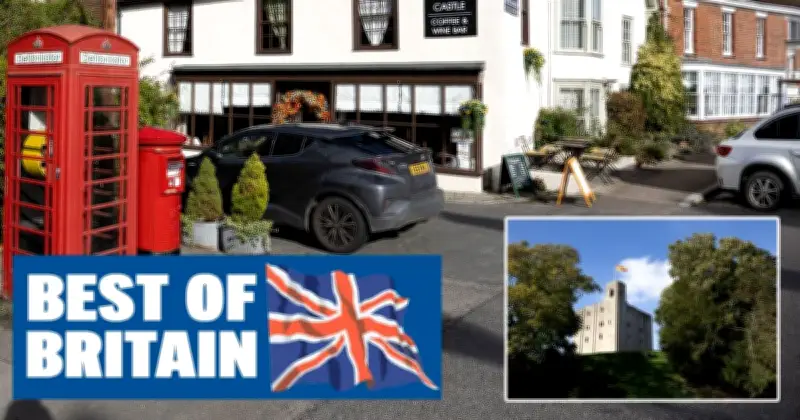
The village's 110-foot-tall castle, built in the motte and bailey style, rises above the surrounding countryside and is now used as an events venue. History enthusiasts can imagine sentries watching for hostile forces from atop the fortress while locals went about their business in the keep below. The castle, built around 1100, has featured in films and TV shows, including The Reckoning (2004) and the BBC series Ivanhoe (1997).
The keep was constructed around 1140. The fort's outer bailey extended south into the valley, marking the edge of what is now the modern village. The site has been central to major historic events: Matilda, wife of King Stephen, died at the castle in 1152, and it was besieged in both 1216 and 1217 during the dispute between King John and rebel barons. After a long period of peace, it was handed to Richard, Duke of Gloucester, later King Richard III, following the execution of John de Vere, 12th Earl of Oxford, for treason against Edward IV in 1462. It was later restored to the de Veres by Henry VII.
Community and Commerce
Outside the castle grounds, the village centre features many independent shops. Volunteers run a shop selling a wide variety of goods, so locals do not have to travel to surrounding towns. Visitors can also drop in for a pint at the Bell Inn, a former coaching inn that has been around since 1430. Its tenants say it is the only pub in Britain they know of with its own museum, housed in the pub's long room, which served as a ballroom and courthouse in the 18th and 19th centuries.
Two pubs have reopened recently, including the Wheatsheaf, whose owner passed away. The village also has The Old Moot House Tea Rooms and Bistro. The 12th-century St. Nicholas' Church is surrounded by picturesque houses, some in Tudor style or painted in pastel green, blue and pink.
Local Voices
Suzanne Thompson, 75, a retired dementia support worker walking her dog Coco, said: "People are friendly; it's a very nice little village. The castle's lovely. It's quiet. Very quiet. I'm very happy here."
Kylie Turkoz-Ferguson, 58, tenant of the Bell since 1999 with her sister Penny Doe, 59, said: "The community, they really do adhere together here. It's not as well known as places like Finchingfield, so it's almost off the beaten track. We're due to open a heritage centre about the whole village — there's a lot of rich history here."
Ms Doe added: "Our parents had the pub before us. We see ourselves as custodians of the place." She noted a "sense of community" in the village, with people coming from London and all over the world for castle weddings. "Also what makes this village is, for its size, the amount of commercial enterprises we have at the centre of it. This summer we've had two other pubs in the village re-open," she said.
Brenda Gandy, 74, a retired business owner who has lived in the village for 22 years, said: "There are a lot of clubs that people can join. It's quite an old community. But there's plenty of social housing as well — that's what makes it a community. You can't just have one end. There's a primary school, a secondary school and a private school up the road. It's a very friendly community."
Karen Fuller, 66, said: "There are lots of community things to get involved in whether you want to or not. There's also a well-attended church, which is still important to lots of people around here." Jayne Laken, 61, who works for Kinder Essex, a community-led project launched in 2019 to tackle loneliness and social isolation, said: "It shows that a shop can be put together in a village, and when everyone participates, it can offer a service. Especially for older people, because the transport system is not very good around here."
Practicalities and Property
The village has good access to major A-roads, including the A1017 connecting Braintree and the A131 to Sudbury, with train services to London from both towns. Buses are available in the village centre. Rightmove reports that properties cost an overall average of £425,583 over the last year, with detached properties selling for an average of £570,000, terraced houses at £236,750, and semi-detached properties at £370,000.
Top recommendations include visiting the castle, described by Historic England as "one of the best preserved and least altered Norman tower-keeps in England", stopping at the Bell Inn for its museum, and supporting the village shop, which serves as a vital facility for residents.