

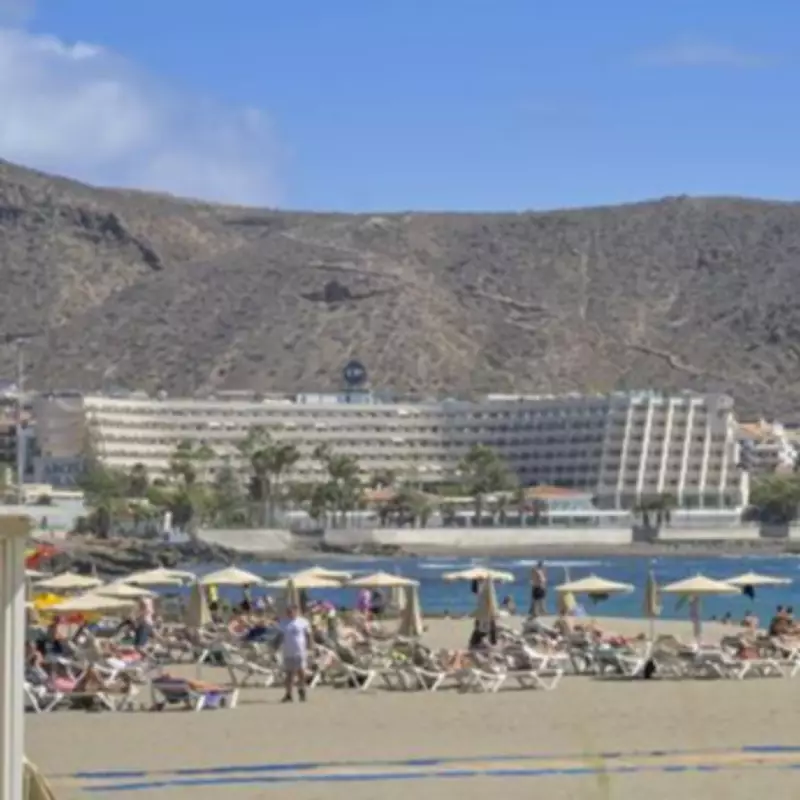
The Canary Islands are facing a severe tourism crisis, with activists warning that the coastline is becoming unsustainable as locals claim the land is being destroyed and exploited through speculation. Loopholes in planning regulations have enabled the destruction of miles of coastline, according to a report from SOS Costas Canarias.
Rapid Coastal Erosion
Each year, approximately 2.5 miles of coastline disappear, as hotels, apartment blocks, housing estates, and marinas are built on this lost territory. Anne Striewe, director of SOS Costas Canarias, stated that these structures are being constructed on land that has effectively been lost to erosion. The organisation warns that across the eight islands, around 18% of the territory within the first 500 metres from the sea has already been developed. Beyond protected natural areas, this figure skyrockets, exceeding 40% on multiple islands and reaching 43% in Lanzarote and Gran Canaria.
Tourism Dominance
Nearly 20% of the living space on the Canary Islands is dedicated to tourism, compared to around 4% on the Spanish mainland. Five municipalities have more tourist beds than permanent inhabitants: Yaiza (Lanzarote), Pájara (Fuerteventura), Mogán (Gran Canaria), San Bartolomé de Tirajana (Gran Canaria), and Adeje (Tenerife). Beyond holiday accommodation, there is a vast array of tourist-related infrastructure, including access roads, golf courses, and desalination plants, which do not appear in hotel occupancy figures but contribute to the same problem.

Environmental Concerns
Sharon Backhouse, director of GeoTenerife, described the Canary Islands as a biodiversity jewel in the Atlantic, yet local authorities provide minimal protection for natural habitats. She warned that each year more beautiful landscapes are cemented over to make way for new tourist resorts. She added: 'The problem with these resorts is that we just don't have enough resources in terms of water, what happens to all the rubbish, how is it all recycled.'
Carmelo Javier León, director of the UNESCO Chair in Tourism and Sustainable Economic Development at the University of Las Palmas de Gran Canaria, described a conflict between those who wish to protect the islands' natural beauty and the development of ever more accommodation options.
Demand for Action
The authors of the SOS Costas Canarias report are demanding an immediate halt and the scrapping of planning permissions for undeveloped coastal land. They argue that relentless construction not only obliterates irreplaceable natural habitats and undermines the scenic beauty that attracted tourists, but also dramatically heightens the risk of localised flooding. Approximately 80,000 inhabitants are already vulnerable to coastal flooding, yet almost half of flood-susceptible territory has been designated for housing.
Irma Ferrer, a lawyer for Urban Planning Transparency and Civic Action Against Corruption, highlighted that institutions are failing to operate properly. She complained: 'In urban planning and environmental matters, legislation is not enacted to defend the public interest.' She added that the islands now possess an economy essentially based on the destruction of the land and on speculation.






