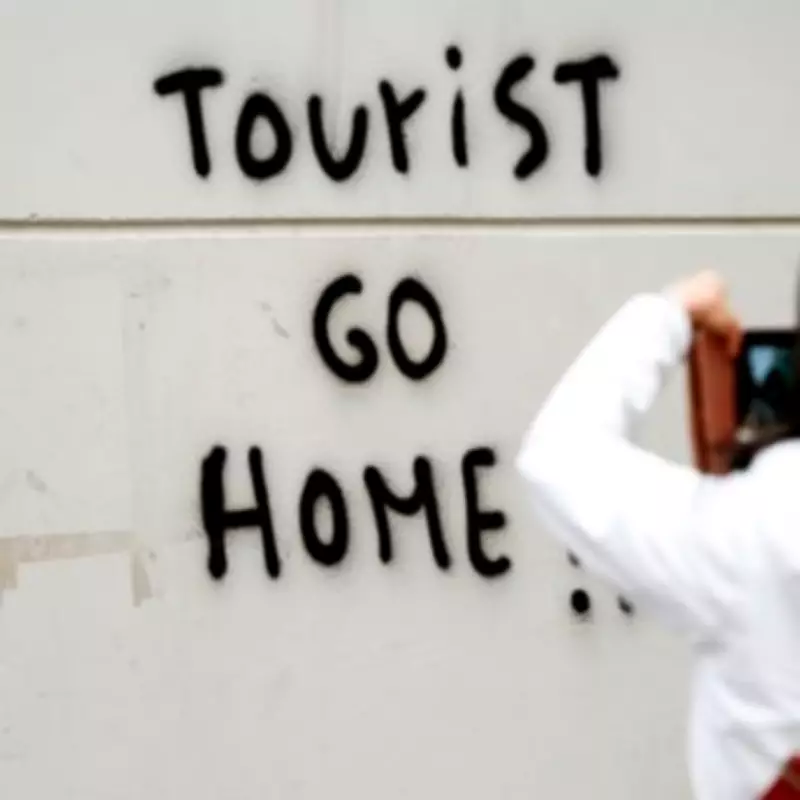
In a disturbing escalation of anti-tourist sentiment, the picturesque town of Artà in Majorca has become the latest target of protests, with rental car tyres slashed and graffiti daubed on walls over the weekend. The Spanish holiday hotspot, known for its serene atmosphere and scenic beauty compared to the island's busier nightlife venues, now bears slogans such as 'Tourists go home' in its centre and on roads leading to Palma.
Mayor Condemns 'Acts of Vandalism'
Artà's mayor, Manolo Galán, has publicly expressed regret and condemnation for what he described as "acts of vandalism" against tourism. "We can agree or not, but these actions cannot be carried out," Galán stated, acknowledging the widespread issue of saturation while emphasising that such destructive methods are unacceptable. The local Civil Guard has been notified of the hire car attacks, which reportedly affected multiple vehicles.
Rising Tensions Over Overtourism
This incident is part of a broader pattern of anti-tourism protests that have been simmering in Spain since travel resumed post-pandemic. In 2024 and 2025, similar demonstrations were witnessed in Majorca, reflecting growing local frustrations. According to the National Statistics Institute (INE), Spain welcomed 11.3 million international visitors in August 2025 alone, a 2.9% increase from August 2024, following a record-breaking July with 11 million arrivals.

Together, July and August 2025 saw 22.3 million tourists flock to Spain, surpassing the 21.8 million recorded in the same period of 2024. For the first eight months of 2025, nearly 66.8 million international tourists visited the country, marking a 3.9% surge from the previous year and setting another record.
Government and Local Responses
In response to overtourism pressures, the Spanish government has taken steps to mitigate impacts on residents. In September 2024, Prime Minister Pedro Sánchez announced the removal of approximately 53,000 tourist flats from the Single Register of Tourist and Seasonal Rentals, converting them into permanent rentals for young people and families. "We have detected thousands of irregularities in many of these homes intended for holiday rentals," Sánchez explained.
Local authorities have also implemented measures to address tourism-related issues. In the Balearic Islands, stricter controls on drinking and party boats have been introduced to curb excessive behaviour. Meanwhile, Barcelona has unveiled plans to completely phase out short-term tourist apartments by 2028, aiming to return thousands of properties to the long-term rental market and alleviate housing shortages.
As Spain continues to grapple with the balance between economic benefits from tourism and quality of life for locals, incidents like the vandalism in Artà highlight the urgent need for sustainable solutions. The ongoing protests underscore deep-seated concerns about overcrowding, environmental strain, and cultural preservation in popular destinations across the country.