

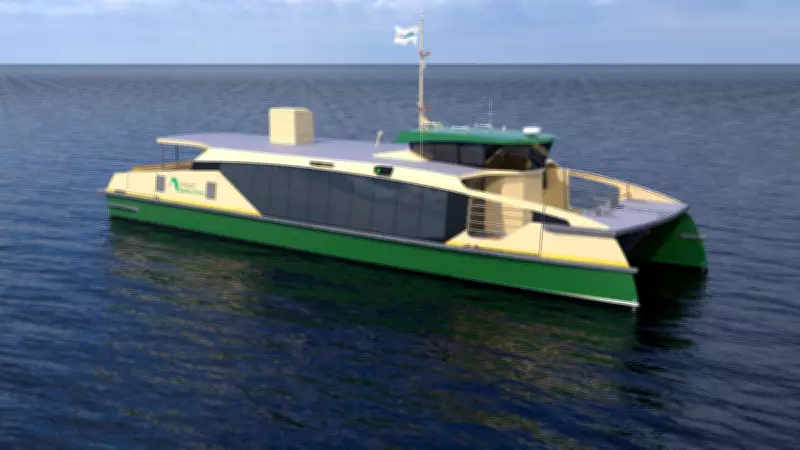
The New South Wales government has announced a 12-month trial of a battery electric ferry on Sydney Harbour, with services expected to commence in 2028 — two years later than originally planned. The contract for the 24-metre vessel, to be built by Tasmanian shipyard Richardson Devine Marine, was signed this week.
Trial details and timeline
According to Transport Minister John Graham, the trial will inform the broader transition of Sydney's ferry fleet from diesel to electric propulsion, originally targeted for completion by 2035. The new ferry is designed to operate on a route serving the recently opened Sydney Fish Market, with passenger services anticipated in 2029.
“This northern beaches-designed, Australian-built ferry will provide a quieter ride and cleaner air on the harbour,” Graham said. The vessel is modelled on the Parramatta River class ferries, which have been progressively launched since May 2024 and are designed to be convertible to electric power.

Infrastructure and testing
Transport for NSW Coordinator General Howard Collins confirmed that testing will evaluate the vessel's reliability and charging systems under real-world conditions. Charging infrastructure will be installed at Barangaroo wharf, and passenger and crew feedback will be collected during the trial.
The government has committed to net zero emissions across public transport operations by 2035. Last month, it announced a $1.9 billion deal to power all-electric bus, train, and light rail services with fully renewable energy from next year. However, diesel remains in use for most public buses, ferries, and regional trains.
Broader context
More than 500 electric buses have been ordered, with hundreds already operational, as part of plans to replace the 8,000-strong diesel bus fleet. The electric ferry trial was originally slated to begin in early 2026 but was delayed. No decision has been made on additional electric ferries pending the trial's outcome.
In March, the NSW Anti-Slavery Commissioner found that Transport for NSW had not taken reasonable steps to address forced labour risks in lithium-ion battery supply chains from Xinjiang and the Democratic Republic of Congo.






