The Food Standards Agency (FSA) and UK Health Security Agency (UKHSA) have warned consumers not to eat Baronet semi-soft cheeses after a listeria outbreak linked to one death. The alert, updated on Monday, follows the discovery of contamination at exceptionally high levels in some products from The Old Cheese Room, a Wiltshire-based manufacturer.
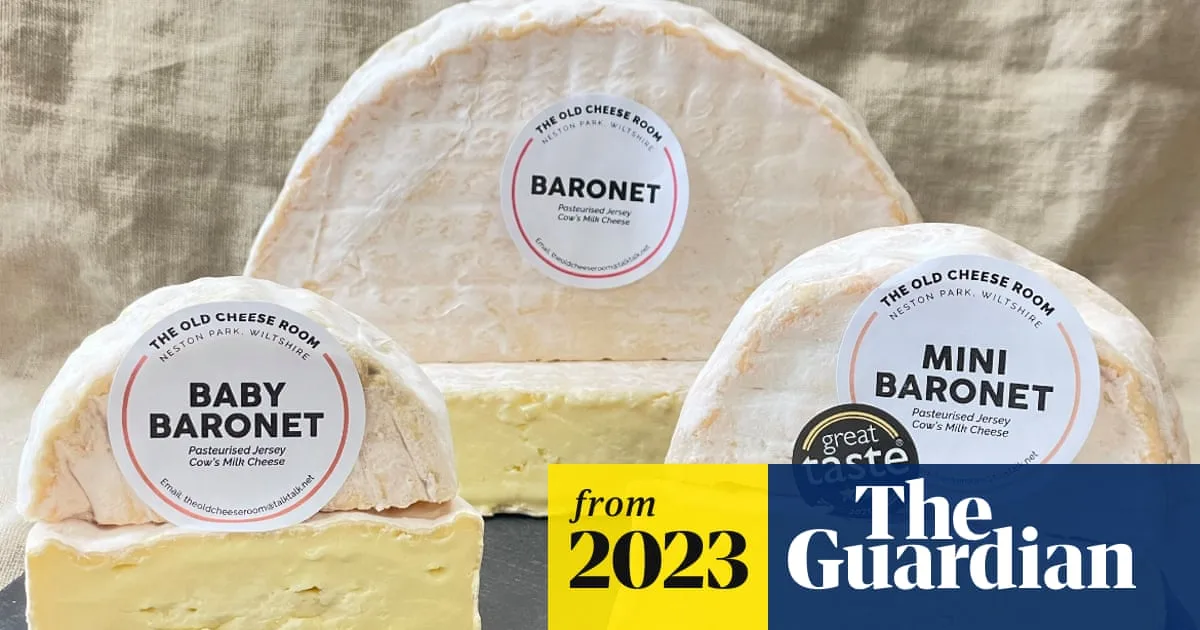
The recall has been extended to include Baronet, Baby Baronet and Mini Baronet soft cheeses in pack sizes of 1kg, 270g and 200g, with best before dates of 21 and 22 March, and 4, 10, 11, 12, 16 and 18 April. The agencies stated that three cases of listeriosis have been potentially linked to the outbreak, with one individual having died.
While the outbreak strain has been found in some food products and samples from food environments, authorities have not confirmed that Baronet cheese is the cause. However, they noted that some cheeses contained exceptionally high levels of listeria. The cheeses are sold as small individual rounds and 1kg wheels, and may be served sliced from deli counters, making it unclear if a product is affected.
Consumers are advised to contact the retailer if in doubt and not to eat the product. The agencies continue to work with local authorities, and further recalls may follow if other products are found to be affected. Listeriosis symptoms can be flu-like, with severe cases potentially leading to meningitis. Those with weakened immune systems, pregnant women, infants, and the elderly are at greater risk.