

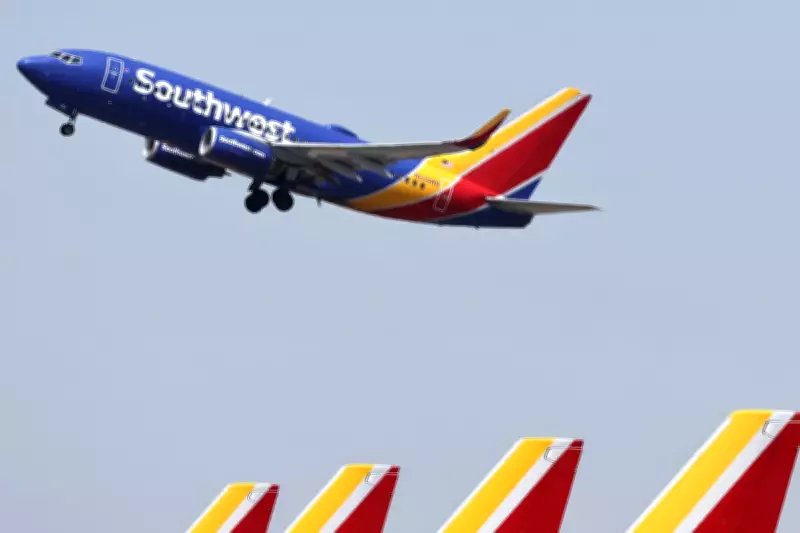
Southwest Airlines has officially banned all humanoid and animal-like robots from its flights, as per an updated policy on the carrier's website. The Dallas-based airline now prohibits these machines from both the passenger cabin and the cargo hold, irrespective of size or purpose. The airline defines a 'human-like robot' as any machine designed to imitate human appearance, movement, or behavior, with a similar definition applied to animal-like robots.
Reasons Behind the Ban
The policy change follows several incidents involving robots on Southwest flights that gained traction on social media. In one instance, a flight departing from Oakland was delayed while crew members determined how to secure a robot. Initially treated as a carry-on item that could not occupy a seat, the flight proceeded after the robot was moved to a window seat and its battery was removed.
A more recent case involved a 3.5-foot humanoid robot named 'Stewie,' owned by Dallas entrepreneur Aaron Mehdizadeh. As reported by CBS News Texas, Mehdizadeh purchased a separate seat for the robot on a flight from Las Vegas to Dallas rather than shipping it as freight. 'Most people were very excited to see a robot flying and [it] provided so much entertainment,' Mehdizadeh told the outlet. To meet security protocols, the robot was fitted with a smaller battery and filmed walking through the airport terminal.

Safety Concerns Over Lithium-Ion Batteries
Southwest has cited the lithium-ion batteries used to power such machines as a primary safety concern. According to the airline, these batteries have previously caused onboard fires, including one incident that resulted in an emergency landing in San Diego, as reported by NBC 5 Dallas. Under the new guidelines, smaller robots and toys are still permitted on board, provided they fit within standard carry-on dimensions and adhere to existing hazardous materials regulations regarding battery size.
The airline's updated baggage policy now explicitly states: 'Southwest Airlines does not allow human-like or animal-like robots to be transported in the cabin or as checked baggage, regardless of size or purpose.' This move aligns with broader industry caution regarding lithium-ion batteries, which are known to pose fire risks in confined spaces like aircraft cabins.






