

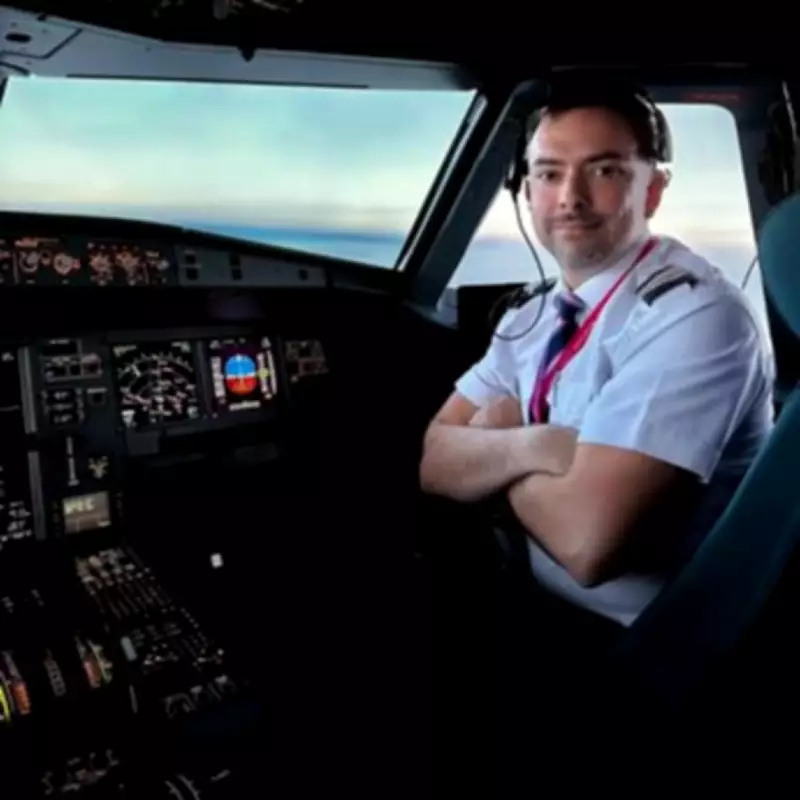
A pilot from a major airline has shared a crucial insight into turbulence, revealing what really happens during those bumpy moments and offering advice for nervous flyers. Tom Copestake, a Wizz Air pilot based at London Luton Airport, has flown thousands of passengers on over 750 flights to more than 50 countries. With four years of experience, he understands why turbulence can be unsettling.
What Causes Turbulence?
Tom explained that turbulence occurs when different pockets of air meet, similar to two bodies of water converging. While it can be unpredictable, pilots use systems and radio communication with other aircraft to anticipate and avoid rough air by climbing or descending. He assured passengers that turbulence is normal and the aircraft can handle it, though it may be uncomfortable.
Best Seat to Minimize Turbulence
For those seeking a smoother ride, Tom recommends sitting near the middle of the plane. He compared the aircraft to a seesaw, where the center experiences less movement than the front or rear. Even pilots feel turbulence at the front, but they are trained to manage it.

Why Landings Can Be Bumpy
Turbulence isn't limited to cruising altitude. During takeoff and landing, airports can create disruptive air due to large open runways adjacent to buildings, causing wind to tumble. Ground temperature also plays a role, especially in summer when thermal turbulence occurs as the ground releases heat after cooling. Tom cited Barcelona as an example, where coastal breezes and land heat can create bumpy conditions during descent.
In summary, turbulence is a natural phenomenon that pilots are well-equipped to handle. By choosing a mid-plane seat and understanding the causes of turbulence, passengers can feel more at ease during their flight.






