The MD-11 cargo planes that were involved in a deadly UPS crash in Louisville, Kentucky, last fall have returned to the skies. The Federal Aviation Administration (FAA) approved Boeing's proposed fix for the aircraft after an extensive review, allowing FedEx to resume flying them on Sunday.
Background of the Crash
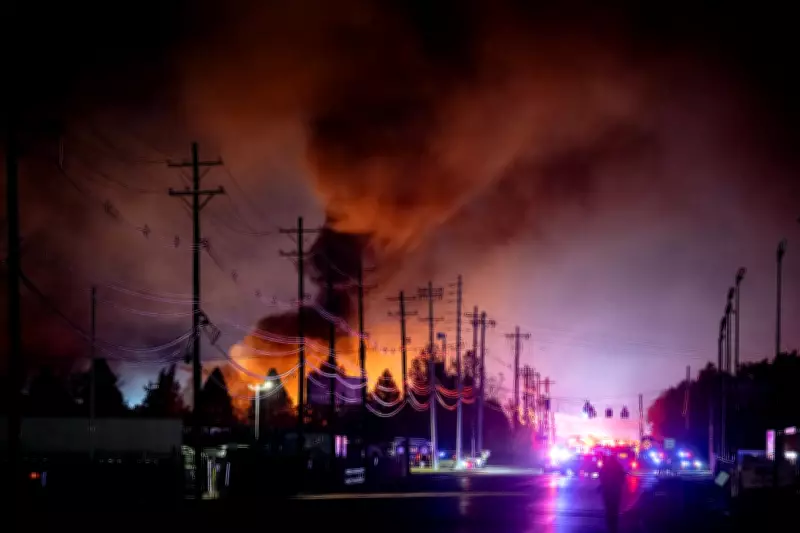
The UPS plane crashed in November 2025 shortly after takeoff when the left engine detached from the wing during the runway roll. The aircraft, bound for Hawaii with a full load of packages and fuel, killed three pilots and twelve people on the ground near Louisville's Muhammad Ali International Airport.
Boeing's Corrective Measures
Boeing developed a plan to replace a critical spherical bearing and increase inspections of the components that secure the engines to the wings. The National Transportation Safety Board (NTSB) noted that Boeing had documented four previous failures of the same part on three different MD-11 aircraft in 2011 but had deemed it not a safety-of-flight issue at the time. These planes were originally built by McDonnell Douglas, which Boeing later acquired.

Fleet Decisions by Carriers
Following the crash, the FAA grounded all MD-11s. UPS subsequently retired its entire MD-11 fleet, which constituted about 9% of its total fleet. FedEx, however, remained committed to returning its MD-11s to service, even though they account for only 4% of its fleet. FedEx owns 46 of these planes, though more than two dozen were already in storage before the crash. Western Global Airlines, another operator of MD-11s, has not commented publicly on the FAA's decision.
FedEx stated that it worked closely with Boeing, the FAA, and its own experts to inspect and repair its aircraft, and received government certification that it had complied with Boeing's recommendations. The company emphasized that safety is its highest priority but reiterated its long-term plan to eventually retire the MD-11s and replace them with more efficient models.
Expert and Legal Perspectives
Aviation lawyers representing families who have sued over the Louisville crash expressed hope that the FAA ensured the planes are safe. Attorney Bradley Cosgrove said, "We hope the FAA does a thorough job of investigating the fixes before the MD-11 fleet is allowed to return to flight."
Aviation safety expert Jeff Guzzetti, who previously investigated crashes for both the NTSB and FAA, expressed surprise that it took so long to get the planes flying again, given how quickly the NTSB identified key concerns. He stated, "I'm confident that the solution will work, and I would like to see the MD-11s back up in the air. It will be a safe airplane with regards to its engines after these corrective actions are made."
Some experts had speculated that the MD-11s might never fly again if repairs proved too costly for these older aircraft. However, Boeing found a cost-effective solution involving bearing replacement and enhanced inspections.
The NTSB is planning two days of investigative hearings next week to delve deeper into the cause of the crash.