

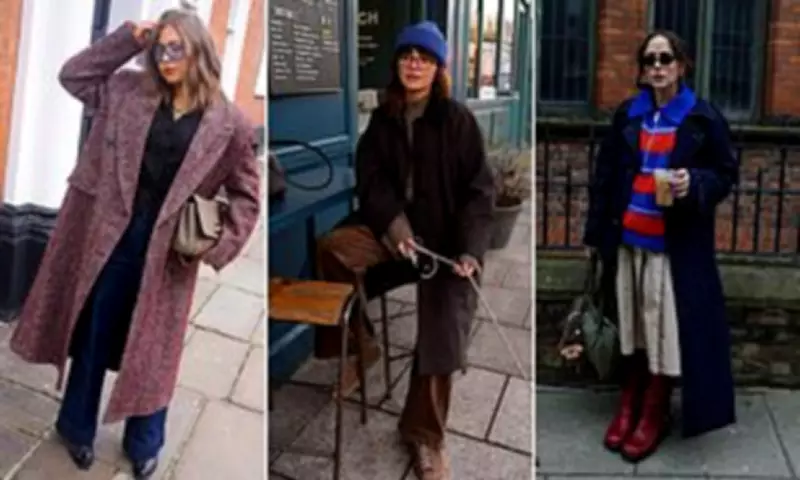
Manchester Emerges as UK's Premier Influencer Hub as Creators Flee London
British content creators are increasingly relocating to Manchester, which experts are now describing as a burgeoning 'influencer hub'. The city, renowned for its musical heritage with bands like Oasis and its football culture, is rapidly evolving into a comprehensive content creation 'ecosystem'. This ecosystem encompasses talent management agencies, professional studios, and a plethora of Instagrammable bars and restaurants, all attracting a wave of influencers.
The Financial Appeal: London Lifestyle for Less
A recent report by The Times highlights that 'micro-influencers', typically in their 20s, are moving to Manchester in significant numbers. This trend follows in the footsteps of major social media personalities such as Molly-Mae Hague and Zoe Sugg, known as Zoella, who initially brought glamour to the city. The primary driver is financial: Manchester offers creators the perceived 'London lifestyle for less', a crucial advantage for those without the substantial income of top-tier influencers.
Alex Bown, founder of the Manchester-based content creation agency Campfire, emphasised this point: 'The rent is 50 per cent cheaper in Manchester. You can start living a very good lifestyle much earlier in life.' Media expert Chad Teixeira concurred, noting that influencer culture has decisively shifted from London to Manchester because it 'provides a far more sustainable foundation' than the capital.

Teixeira elaborated to the Daily Mail: 'Lower living costs mean influencers can invest in content, production, and long-term growth rather than simply maintaining their lifestyle. That financial breathing room is critical, particularly for micro-influencers who are still building momentum.' A micro-influencer is generally defined as someone with fewer than 10,000 followers.
The Social Media Migration: A TikTok Phenomenon
Scrolling through TikTok reveals hundreds of videos from fledgling lifestyle content creators documenting their move to Manchester from across the UK. These creators are part of a new generation building their careers in the city.
- In one clip, Hannah Carter, who works in project management and has just over 1,300 TikTok followers, documented her first day at a glitzy high-rise in Deansgate Square.
- Freelance model Georgia Wood (with under 10,000 TikTok followers) shared a video dancing in her new apartment, captioning it 'Manchester has my heart.'
They join other creators like Anjali Gohil, Emma Eliza, Lauren Fraser, Harry Balmer, and Kitty Halket in this migration. Many are reportedly moving into high-rise apartment complexes in areas like Collier's Yard and Deansgate Square, often dubbed 'influencer towers' due to their popularity within the content-creating community.
Molly Clayton, the Daily Mail's Influencer Editor, reported that inside these buildings, 'it's like one big Instagram party', seemingly designed for a 'social-media savvy tenant'.
The Aesthetic and Infrastructure Advantage
Manchester's visual appeal is another significant draw. Kaydian Taylor-Anderson, who has 1,600 Instagram followers, stated: 'There’s an aesthetic look to the city, and so many nice side streets. You get to create your content and avoid getting in people’s way.'
Influencer hotspots contributing to this aesthetic include:
- The industrial-chic Onda Pasta Bar on Oxford Road.
- Egglslut on Deansgate.
- Morning Glory in the Northern Quarter.
- Acai & The Tribe, an endlessly Instagrammed cafe.
Beyond aesthetics, Manchester boasts a robust professional infrastructure. Teixeira pointed to a 'strong and growing ecosystem across fashion, beauty and e-commerce' that creators can leverage. 'With major digital-first brands, agencies, and creative talent based there, influencers have direct access to collaborations and opportunities without needing to be in London,' he explained.

This ecosystem includes fast-fashion giants like Boohoo, PrettyLittleThing, and Luxe to Kill, which heavily utilise influencer marketing. Furthermore, London-based agency Jungle Creations opened a permanent Manchester office in February, citing the city's 'deep pool of socially native talent'.
Affordable production facilities are also key. Studios like The Lumi Room, equipped with content rooms, makeup areas, and kitchen amenities, can be booked for as little as £35 per hour—a stark contrast to the £100 typically charged for comparable services in London, as reported by The Times.
A Broader Shift in the Creator Economy
Manchester’s rise reflects a fundamental shift in the creator economy, moving away from sheer scale towards authenticity and substance. Brands are increasingly diverting budgets from expensive collaborations with mega-influencers like Molly-Mae—who can command up to £60,000 per sponsored post—towards working with thousands of smaller creators.
Alex Bown from Campfire described this as a 'huge de-influencing going on in social media'. He explained: 'Social media used to be about seeing content based on people you are following. But the algorithms fuelling Instagram reels and TikTok now are about novelty and newness and randomness. It is an interest-based algorithm which is surfacing content from everywhere.'
Chad Teixeira reinforced this view: 'Manchester’s rise as an influencer hub reflects this broader shift in the creator economy away from scale and towards substance. As brands prioritise engagement over reach, micro-influencers have become significantly more valuable, offering niche audiences, stronger trust, and higher conversion.'
He concluded by highlighting Manchester's cultural alignment with current audience desires: 'Culturally, the city aligns with what audiences now want. It feels more authentic, less saturated, and more community-driven. For micro-influencers especially, Manchester isn’t just an alternative to London, it’s a smarter, more strategic place to build a credible and commercially viable platform.'





