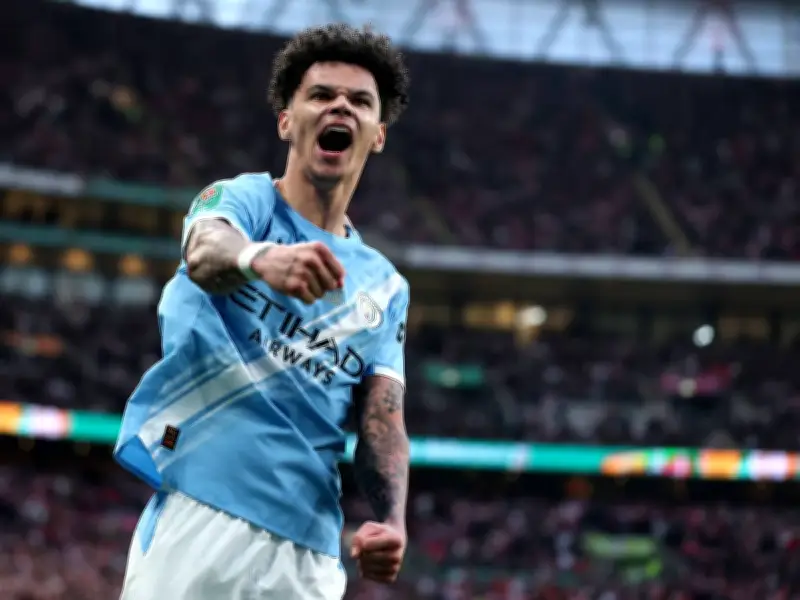
Manchester City's academy graduates played a record 12,500 minutes for the first team this season, a 75% increase on the previous three-year average, according to academy director Thomas Krucken. However, this impressive statistic masks a pressing need for sporting director Hugo Viana to address homegrown player quotas in the summer transfer window.
Academy Impact and Quota Concerns
Krucken highlighted the minutes as the key metric: "First for me, it's about the minutes of academy graduates around the first team. It's 12,500 minutes this season - we increased the number of minutes by around 75 per cent on the last three years, which is incredible to see." While Nico O'Reilly and Phil Foden are expected to contribute again, the club faces challenges meeting Premier League and Champions League homegrown player requirements.
Currently, James Trafford and Rico Lewis count as club-trained players, but both could leave this summer. Trafford seeks a No.1 role, and Lewis saw minimal game time in the second half of the season. Their potential departures would reduce City's homegrown numbers, forcing Viana to consider academy graduates like centre-back Max Alleyne, who would be eligible for all competitions.
Strategic Implications for Transfers
Although homegrown quotas may not block transfers outright, they will influence City's strategy. The need to maintain a full 25-man squad means Viana must ensure sufficient club-trained players. This could elevate the importance of retaining or promoting academy talents, even as the club pursues high-profile signings like Elliot Anderson or a new winger.
If homegrown players leave, it won't just affect a season-end statistic but could reshape City's transfer priorities. As Krucken noted, the focus on minutes reflects a broader commitment to youth, but the summer window will test whether that commitment aligns with competitive demands.