Australia's residential building activity grew 8.7% in the year to June, the strongest since 2016, but the massive surge in datacentre construction is consuming resources that could otherwise go towards housing, according to Guardian columnist Greg Jericho.
New private sector house commencements rose 11.6% to 31,707 dwellings in the June quarter, the highest since 1994, excluding the Covid "homebuilder" surge and the abnormal March 2000 spike ahead of the GST introduction.
Public housing remains minimal
Public sector housing has been barely part of the housing equation for over 30 years, the data shows. In the year to June, public and social housing accounted for just 2.3% of new residential buildings, compared with an average of 13% from 1955 to 1985.
A Senate Select committee on Intergenerational Housing Inequality, chaired by Greens senator Barbara Pocock, released a report last week titled "Locked out: the growing generational housing divide." The committee unanimously agreed that "Australia is in a housing crisis" and found a need to build significantly more affordable and social housing at scale through long-term government investment.
Senator Pocock proposed that the Australian government commit to a national target to increase public and community housing to at least 10% of Australia's housing stock over the next decade, and also proposed a cap on annual rent increases at the lesser of 2% or the inflation rate.
Datacentre construction surge
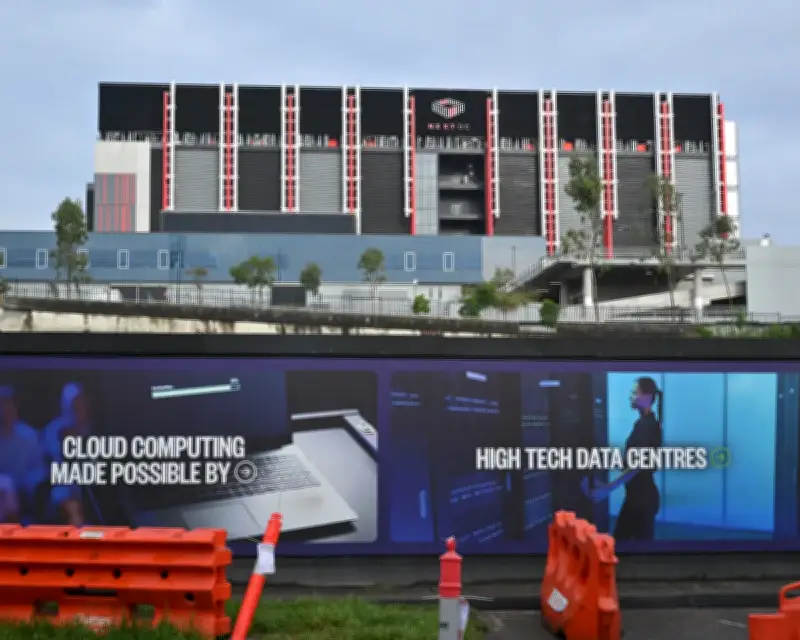
The datacentre boom is becoming a major issue for housing policy, as it accounts for a significant share of building work. Datacentres fall under the "commercial building not elsewhere classified" category in the ABS survey, which usually makes up around 1% of the value of non-residential building commencements. In the year to June, it was 20%.
The surge in datacentre building was worth just under three quarters of the increase in non-residential building commencements over the past year. More than 17 times the amount of money was spent building datacentres than factories in the past year, compared with the usual pattern where almost double is spent on factories.
Unlike a factory, a datacentre will not employ many people after it is built, and unlike a house, it will not provide a place for people to live for the next 40 years. The question remains whether this investment will deliver benefits beyond AI companies, or whether it represents a waste of resources that could have been spent on homes and workplaces.