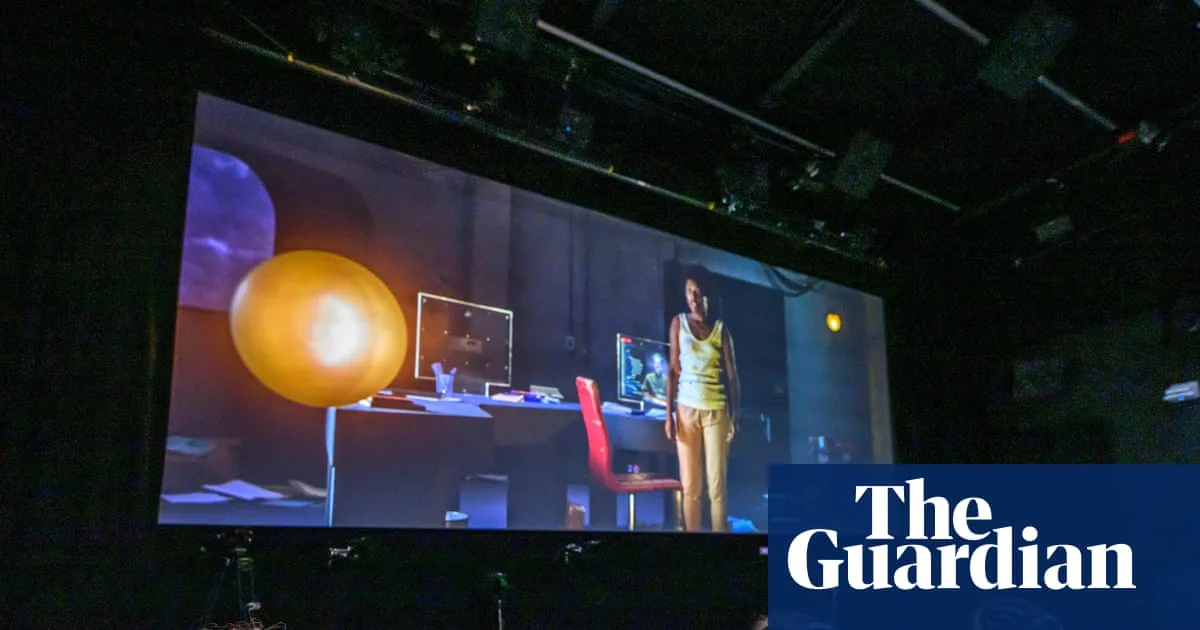
A unique cinema laboratory at the University of Bristol is using brain activity monitors, heart rate sensors, and infrared cameras to study how audiences become immersed in films. The project, led by neuropsychologist Professor Iain Gilchrist, aims to help directors create more compelling movies and take greater creative risks by identifying the moments when viewers are most engaged.
In the lab, audience members wear headsets that record brain activity and armbands that track heart rate, while infrared cameras capture every blink and fidget. Researchers are particularly interested in moments when these biometric signals become synchronised across viewers, indicating high engagement with the on-screen action.
This week, participants watched a private screening of Reno, a short science-fiction film about humanity's relationship with artificial intelligence. Different groups viewed alternative cuts of the film, and the data will help director Rob Hifle refine the final edit. Hifle said the experiment would reveal how audiences engage with characters and whether story beats are correctly placed, potentially uncovering insights he had not considered.

Professor Amanda Lotz of Queensland University of Technology questioned whether such tools address the industry's real challenge of reaching fragmented audiences. She noted that media users consume content for different reasons, and that optimising for universal appeal may conflict with original storytelling. However, Professor Tim Smith of the University of the Arts London praised the project as an important step in understanding audience responses, something film-makers have sought since cinema's inception.