More than 70 UK councils have phased out the controversial weedkiller glyphosate, replacing it with chemical-free alternatives or allowing plants to grow naturally. The move follows the World Health Organization's 2015 classification of glyphosate as a “probable human carcinogen,” based on research showing strong evidence of toxicity.
Nick Mole of the Pesticide Action Network (PAN) said councils from parish to county level have increasingly sought advice on implementing bans. “More and more over the last couple of years we’ve been having councils come directly to us to say: ‘This is something we want to do; how can we do it?’” he said. Mole noted that the issue transcends party lines, describing it as “a very non-party political issue.”
Recent studies have linked glyphosate to serious harm in bee health, and EU regulators have been accused of dismissing evidence connecting the herbicide to animal tumours. Mole attributed growing public interest to the biodiversity crisis and increased media coverage. However, PAN acknowledges that some councils have reversed bans under pressure from residents who prefer neat public spaces.
Brighton and Hove introduced a glyphosate-free policy in 2018 with cross-party support, but local Conservative councillors have since criticised the resulting rewilding. Green councillor Jamie Lloyd defended the approach, saying manual removal targets only problematic weeds. “It is true that huge weeds growing in the middle of pavements is undesirable,” he said. “So what we need to do is remove those weeds manually.” Lloyd reported anecdotal increases in swifts, swallows, bats, and hedgehogs since the ban.
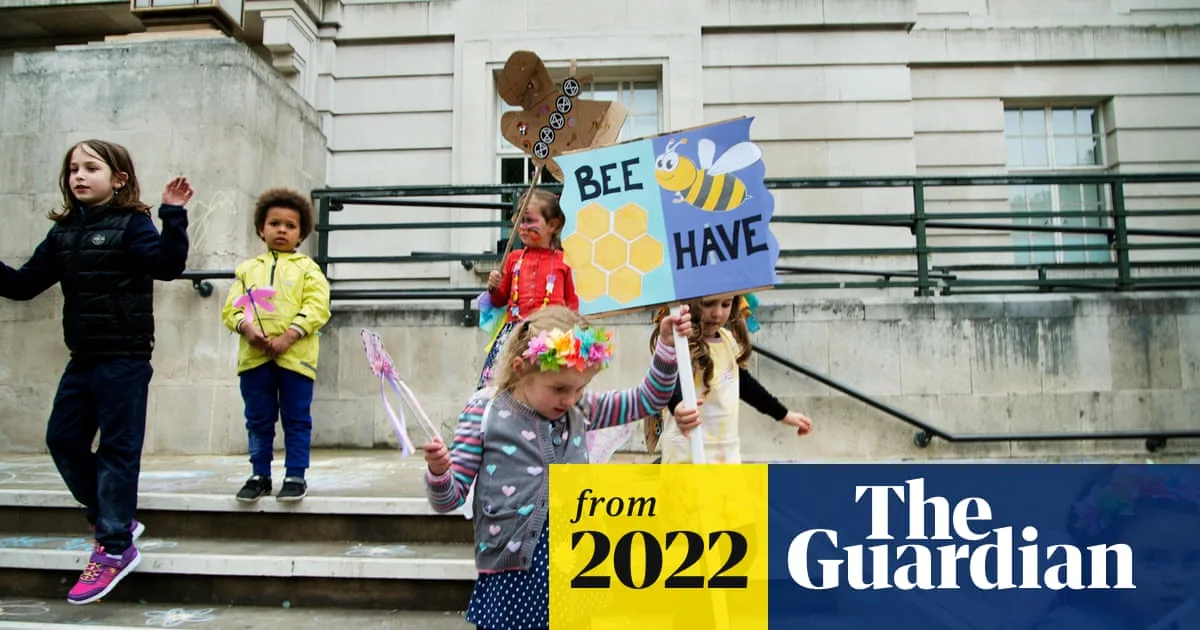
In Hackney, east London, a glyphosate ban began in 2020 following a protest by children. Former councillor Jon Burke argued that eliminating plants from the public realm during a mass extinction event poses a major threat. “The majority of plants growing in the public realm are not weeds, but a mix of wildflowers and other things,” he said. “Some of these plants are the only source of food for very specific species of insects.”
Bath and North East Somerset council stopped using glyphosate in July last year, investing £950,000 in a Clean and Green campaign with a dedicated weeding team. Other councils have experimented with alternative methods, including manual and machine weeding, as the shift away from chemical herbicides continues across the UK.