

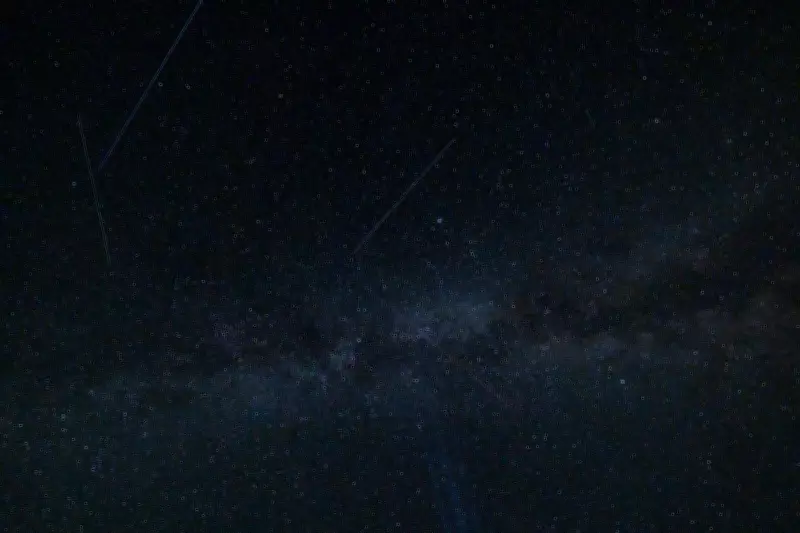
A newly discovered asteroid, designated 2026 JH2, is set to make an unusually close pass of Earth on Monday evening, May 18. Discovered just last week by astronomers in Arizona, the asteroid will come within 91,000 kilometers (57,000 miles) of our planet at approximately 10pm BST (5pm EDT). This distance is less than a quarter of the way to the Moon and even closer than some satellites orbiting Earth.
Size and Comparison
Measuring up to 35 meters (115 feet) across, Asteroid 2026 JH2 is larger than a blue whale and comparable in size to the Chelyabinsk meteor that exploded over Russia in 2013. Despite its size and proximity, astronomers confirm that the asteroid poses no risk to Earth or the Moon. Its trajectory has been carefully calculated, and there is no chance of impact.
How to Observe the Flyby
The asteroid's close approach makes it an excellent target for observation. While it will not be visible to the naked eye, it can be seen with telescopes and binoculars. For those without equipment, the Virtual Telescope Project will broadcast a live stream of the flyby starting at 8:45pm BST on Monday. This provides a unique opportunity for enthusiasts worldwide to witness the event.

After this pass, Asteroid 2026 JH2 is not expected to return near Earth until 2060. So, this evening offers a rare chance to see a large asteroid up close. Whether you tune into the live stream or set up your own telescope, it promises to be a memorable celestial event.






