Fifty years after its founding in a California garage, Apple has become a tech behemoth, with billions using its products daily. From the first successful home computers with colour screens to the iPod and the smartphone that defined the modern mobile era, the company has repeatedly reset consumer expectations. Here are five of its most influential products, alongside some notable misses.
The Apple II, launched in 1977, put the company on the map. Designed by Steve Wozniak as a complete, ready-to-use machine, it combined electronics, keyboard and power supply in a single case, offering colour graphics and expansion slots. Its simplicity and aggressive education discounts made it the first computer many students used, transforming Apple from a startup into a key player in the PC revolution.
The Macintosh, released in 1984, popularised the graphical user interface with windows, icons and a mouse. Ridley Scott's iconic '1984' Super Bowl advert positioned it as a cool alternative to IBM PCs. The friendly interface made computers accessible to non-specialists, cementing Apple's focus on the human-computer interface.
The iMac G3, launched in 1998, ditched beige boxes for translucent, colourful all-in-one machines. Its simplicity—requiring just two cables for internet connection—combined with striking design made it a roaring success, outpacing competitors like Sony's Vaio. The iMac revived Apple's fortunes and became a design icon.
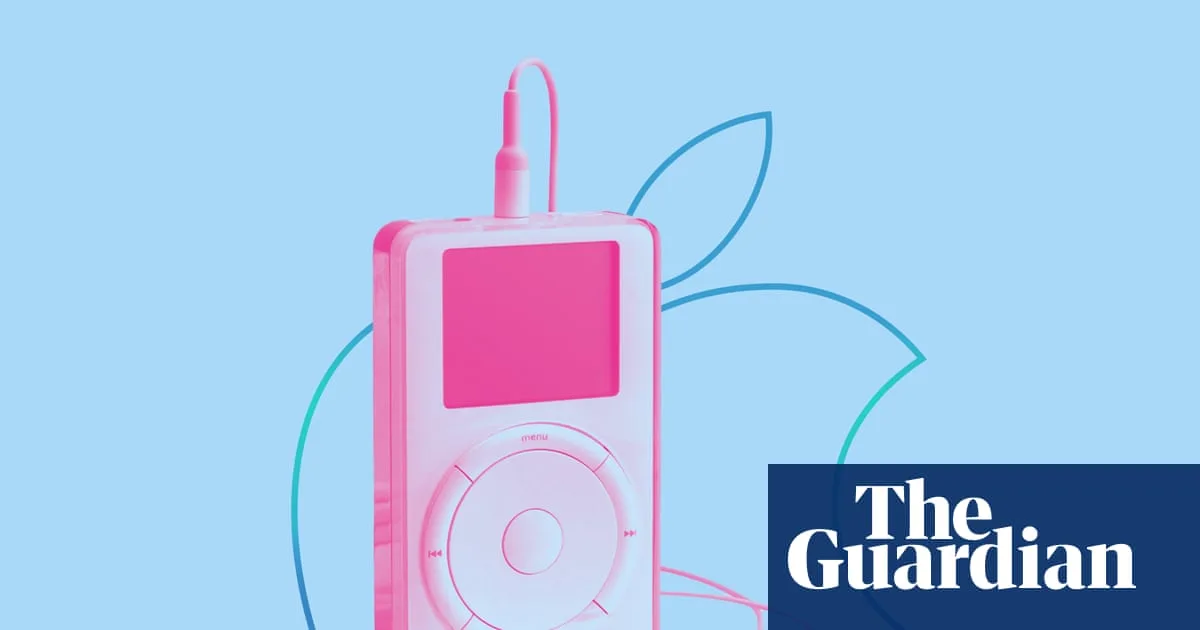
The iPod, introduced in 2001, revolutionised music listening with its promise of '1,000 songs in your pocket'. Its tiny hard drive and user-friendly interface made it a must-have device, though it was eventually supplanted by the iPhone. Other products, such as the Pippin games console and the Newton message pad, were notable flops, failing to gain traction in their markets.