

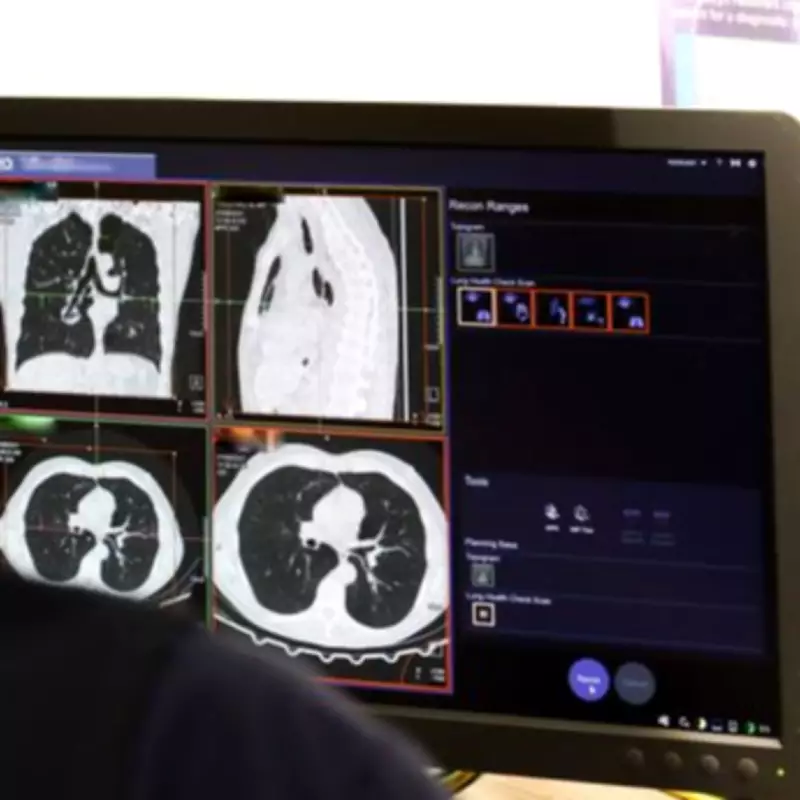
A groundbreaking study published in Gut, part of the British Medical Journal, reveals that an artificial intelligence system can detect early-stage pancreatic cancer years before human radiologists. Researchers from the Mayo Clinic developed the Radiomics-based Early Detection Model (REDMOD), which identified pancreatic cancer on routine CT scans with 73% sensitivity, a median of 475 days before clinical diagnosis. In comparison, radiologists reviewing the same scans achieved only 39% sensitivity.
AI Outperforms Radiologists in Early Detection
The AI model was particularly effective for scans taken more than two years before diagnosis, where it was nearly three times more accurate than human experts. The study analyzed nearly 1,500 scans from multiple hospitals, demonstrating the potential of AI to transform cancer screening.
Pancreatic cancer has a devastating prognosis, with a 92% mortality rate within five years in the UK, yet there is no population screening programme. The Medicines and Healthcare products Regulatory Agency (MHRA) is still developing its dedicated AI medical device framework, with publication expected in 2026.

Expert Reactions and Cautions
Colette Mason, an AI consultant at Clever Clogs AI in London, praised the study: "This is what it looks like when AI adoption is done properly. It is a peer-reviewed clinical study, validated across multiple hospitals, tested head-to-head against professionals, with clear limitations stated." However, she noted that REDMOD requires prospective trials in diverse populations before clinical use, which takes time for a disease with only 8% five-year survival.
Katrina Young, digital transformation strategist at KYC Digital, added: "REDMOD changes the game on paper, but earlier detection does not guarantee earlier treatment. The model has not been prospectively validated or tested across diverse populations. The breakthrough is technical, but the constraint is structural, as the MHRA framework is still in development."
Next Steps for REDMOD
The study's authors acknowledge that REDMOD has not yet been tested prospectively or across ethnically diverse populations, which will cause delays. Further research is needed for high-risk patients, including those with unexplained weight loss or newly diagnosed diabetes, before the tool can be widely adopted in clinical settings.






