12 Best Digital Cameras 2026: Expert-Tested Top Picks for Every Photographer
12 Best Digital Cameras 2026: Expert Tested Top Picks

The digital camera market has undergone a significant transformation, shifting from DSLRs to mirrorless interchangeable-lens cameras (MILCs), a change accelerated by the rise of smartphone photography. While smartphones remain the most popular image-capture devices, dedicated cameras are more relevant than ever, offering superior image quality, versatility, and a welcome break from screens. An interchangeable-lens camera remains the best choice for capturing high-resolution, detail-rich images that can be shared, printed, and preserved for a lifetime.

After a decade of evolution, the camera market has stabilised, with MILCs now dominating. The core principles remain the same: a camera body that accepts interchangeable lenses and a range of accessories. The key difference lies in the viewfinder—electronic (EVF) versus optical—and numerous technological advancements. This is an excellent time to invest in a new camera, whether you are a beginner, a returning enthusiast, or a professional.

With 30 years of experience as a professional photographer and tech writer, I have reviewed the top interchangeable-lens cameras for every need and budget. From family-friendly models to professional workhorses and premium dream cameras, these are the best digital cameras in 2026.

Wide Pickt banner — collaborative shopping lists app for Telegram, phone mockup with grocery list

Best digital cameras for 2026 at a glance

  • Best overall: Sony Alpha V – £2,799
  • Best for beginners: Canon EOS R50 – £900
  • Best professional: Hasselblad X2D II 100C – £6,400
  • Best hybrid: Canon EOS R6 Mark III – £2,799
  • Best for enthusiasts: Nikon Z5 II – £1,599
  • Best for education: Nikon Z50 II – £799
  • Best minimalist: Sigma BF – £1,969
  • Best for street photography: Fujifilm X-E5 – £1,549
  • Best for hybrid creators: Canon EOS R50 V – £850
  • Best everyday: Fujifilm XT-30 III – £999
  • Best for video creators: Panasonic Lumix S1II – £1,899
  • Best premium design: Leica EV-1 – £6,840

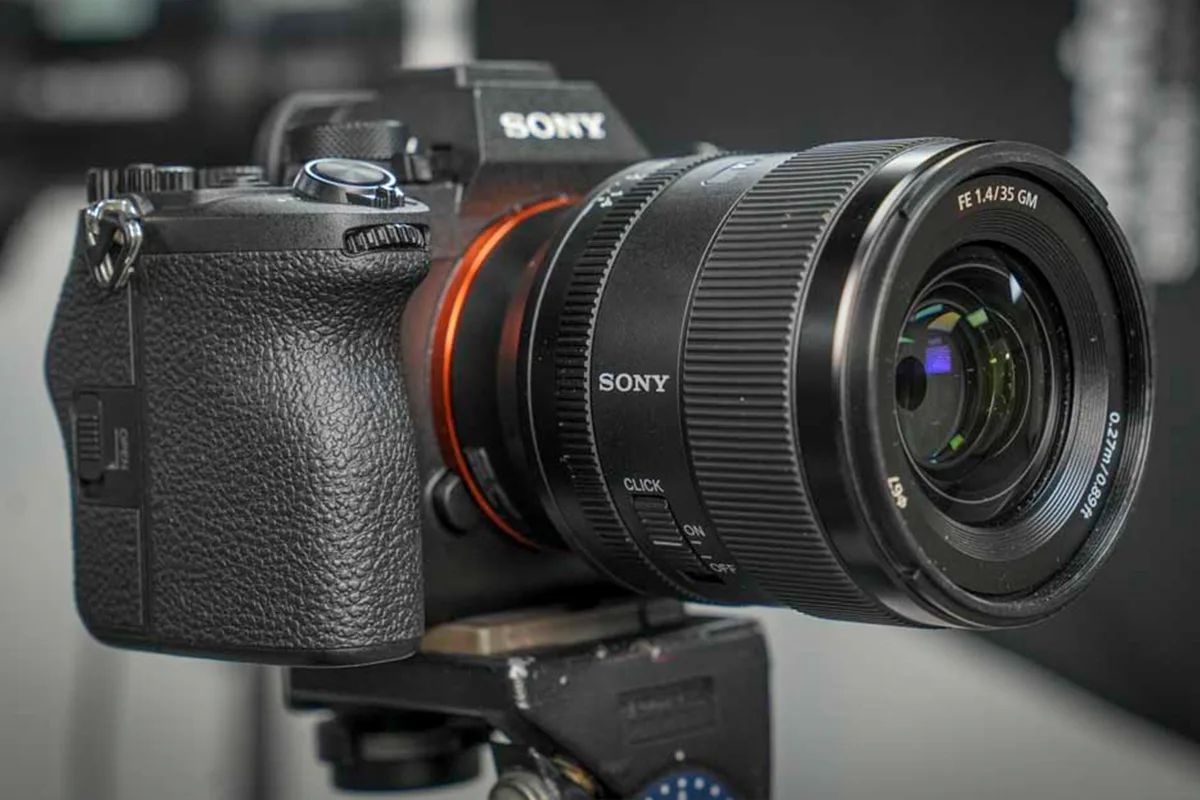
Sony Alpha V

Best digital camera overall

Sensor: Full-frame partially stacked CMOS
Resolution: 33MP
ISO range: 100–51,200
Burst rate: Up to 30fps
Autofocus: AI subject detection AF
Video: 4K up to 60p full frame, 4K 120p (Super35 crop)
Weight: Approximately 690–700g
Battery: Around 630 shots (EVF) / 750 shots (LCD)

Why we love it: High-resolution sensor, advanced autofocus system, strong hybrid video capability, mature Sony lens ecosystem.

Take note: Expensive body price, large file sizes, complex menus, premium lenses increase system cost.

Sony transformed the interchangeable lens camera market over a decade ago with the Alpha 7 series. The new Sony A7 V carries on that legacy with a 50 MP full-frame stacked sensor, advanced AI-based autofocus, and 8K video capability. The design blends retro and modern elements, feeling solid, well-balanced, and durable. The electronic viewfinder offers higher resolution and refresh rate, making it closer to an optical viewfinder. In the field, the 30fps burst rate with electronic shutter captured sharp images of birds of prey, making it well-suited for sports and wildlife photography.

Low-light performance proved excellent, reproducing strong colour, tone, and detail even at ISO 800 and above. At ISO 32,000, it still delivered impressive images. The 50MP sensor captures exceptional detail, though file sizes are large: JPEGs around 20MB, RAW at 50MB. Sony uses CFExpress Type-A cards, which are more limited and expensive than Type-B. Video performance matches still quality, with 8K and 4K at 120fps in Super 35 mode, 10-bit 4:2:2, S-Cinetone, S-Log3, and in-camera LUTs.

The specifications and performance make this camera hard to beat. It is expensive but offers quality and flexibility that give it the edge over stiff competition.

Canon EOS R50

Best digital camera for beginners

Pickt after-article banner — collaborative shopping lists app with family illustration

Sensor: APS-C CMOS
Resolution: 24.2MP
ISO range: 100–32,000 (expandable to 51,200)
Burst rate: 15fps electronic shutter (12fps mechanical)
Autofocus: Dual Pixel CMOS AF II
Video: 4K 30p (oversampled from 6K)
Weight: 375g with battery and card
Battery: Up to about 440 shots

Why we love it: Lightweight design, beginner-friendly interface, strong autofocus system, affordable entry point.

Take note: Small grip, limited lens range for APS-C RF, modest battery life, limited advanced controls.

Aimed at the entry-level market, the EOS R50 showcases Canon's years of development. Despite its plastic build, image quality stands on its own. Setup is straightforward, and the menu system is adapted for beginners. The smartphone-like feel, full touchscreen, and mobile connectivity give it a modern, tech-integrated feel. It is one of the smallest models, weighing just 375g, with a fully articulated screen for selfies and various angles.

The AF system is fast and accurate for its price point. The 15fps burst rate makes it great for local sports and wildlife. Low-light performance shows the small sensor's limitations, but it is impressive compared to older models. Image quality is good, especially in brighter conditions. Video capabilities are surprising, with 4K 30p and 1080p at 120fps for slow motion. The Canon ecosystem is vast, with a decent range of lenses and an accompanying app.

Hasselblad X2D II 100C

Best professional digital camera

Sensor: Medium format BSI CMOS (100MP, 43.8 × 32.9mm)
Resolution: 100MP
ISO range: 50–25,600
Burst rate: Up to 3fps continuous shooting
Autofocus: Phase detection AF with 425 PDAF points and LiDAR assistance
Video: None (still photography only)
Weight: Approx. 840g (body)
Battery: Approx. 466 shots

Why we love it: Exceptional image resolution, superb colour science, medium-format dynamic range, premium build quality.

Take note: Very expensive, larger body and lenses, slower burst shooting, limited sports capability.

The Hasselblad X2D II 100C is a mirrorless camera with a medium-format sensor, a significant step up from full-frame and APS-C. It is a premium brand and a working tool, ideal for professional studio and landscape photographers. The camera is larger, with a big sensor, body, and lens, but feels well-balanced. It is weather-sealed. Setup is straightforward, and the Scandinavian-designed user interface is clean and business-like. The control screen allows quick access to settings.

AF speed has improved greatly, though still not on par with smaller cameras. Tracking and eye AF lock on with superb accuracy. Burst shooting is limited to around 3fps due to huge file sizes. Low-light performance is exceptional, with the larger sensor handling noise and reproducing colour and tone with greater depth. The 100MP BSI sensor captures more scene information, and the dynamic range far surpasses all others. The XCD lens lineup is extensive but expensive. Older Hasselblad lenses can be used with an adapter.

Canon EOS R6 Mark III

Best hybrid digital camera

Sensor: Full-frame CMOS
Resolution: 32.5MP
ISO range: 100–102,400 (expandable higher)
Burst rate: Up to 40fps electronic shutter (12fps mechanical)
Autofocus: Dual Pixel CMOS AF II
Video: Up to 7K RAW / 4K 120p
Weight: Approx. 680g body only
Battery: Around 500 shots

Why we love it: Excellent autofocus system, hybrid photo/video performance, fast burst shooting, good ergonomics.

Take note: Higher mid-range price, moderate resolution, Canon RF lenses are expensive, video overheating is possible.

Aimed at the enthusiast market, the EOS R6 III is part of Canon's leading mirrorless lineup. Setup is fast, and the interface is well laid out. This camera is a versatile Swiss Army knife, adaptable to any photography genre. The design is modern with rounded edges and a robust build. The large grip and weather-sealed body reinforce quality.

Canon's AF system is fast with plenty of tracking options. The 40fps burst mode with electronic shutter is impressive, with a large buffer. Low-light performance is well balanced, with clean images at ISO 800–1600. Image detail is excellent, with smooth tone and rich colours synonymous with Canon. Video capabilities include 6K and 4K at 120fps. The Canon ecosystem is large, with many RF lenses, though they can be expensive. Third-party options and EF lens adapters are available.

Nikon Z5 II

Best digital camera for enthusiasts

Sensor: Full-frame CMOS
Resolution: 24.5MP
ISO range: 100–51,200 (expandable to 50–204,800)
Burst rate: Up to 14fps
Autofocus: Hybrid AF with subject detection
Video: 4K up to 30p
Weight: Approximately 700g with battery and card
Battery: Approximately 390 shots

Why we love it: Fast autofocus performance, excellent image quality, strong video features, robust body design.

Take note: Battery life is slightly lower than rivals, Z lenses can be expensive, large body size, buffer limits in extended bursts.

This camera offers plenty of customisability and a professional feel. Setup is fast, and the interface is familiar. The deep grip and weather-sealed body feel ready for professional work. The bright, clear EVF is exceptionally close to optical. AF speed and accuracy are remarkable, with tracking points sticking to moving subjects. It is a great choice for wildlife and action.

Low-light AF is exceptional, especially in woodland conditions. The 24.5MP resolution might seem low, but it provides clean images. Video capabilities are outstanding, with full N-Log support and 4K at 30fps. The Nikon lens ecosystem is huge, with options at every price point, and FX lenses are compatible via adapter.

Nikon Z50 II

Best digital camera for education

Sensor: APS-C CMOS
Resolution: 20.9MP
ISO range: 100–51,200 (expandable to 204,800)
Burst rate: Up to 11fps
Autofocus: Hybrid AF with subject detection
Video: 4K up to 60p
Weight: Approximately 550g with battery and card
Battery: Approximately 300 shots

Why we love it: Small lightweight body, excellent build quality, well priced.

Take note: Smaller APS-C sensor, learning curve for beginners, SD card slot in the base.

Nikon has been a firm favourite for decades, and the Z50 II is a consistent performer. Despite a 20.9MP sensor, image quality is detailed enough for A3 prints. Inside is the Nikon EXPEED 7 processor from high-end models, making a huge difference in ease of use. The ergonomics, deep grip, and dual dials make exposure adjustments easy. The fully articulated screen aids composition.

In use, the camera is fluid, with AI tracking that makes capturing birds of prey straightforward. This is a lightweight but refined camera, great for enthusiasts and education, making teaching photography easier.

Sigma BF

Best minimalist digital camera

Sensor: Full-frame back-illuminated CMOS
Resolution: 24.6MP effective (25.3MP total)
ISO range: 100–102,400
Burst rate: Up to about 8fps
Autofocus: Hybrid phase and contrast detection AF
Video: 6K up to 30p / 4K up to 30p
Weight: About 446g with battery (388g body only)
Battery: Approximately 260 shots

Why we love it: Unique minimalist design, solid metal construction, L-mount compatibility, clean interface.

Take note: Limited physical controls, smaller ecosystem, unknown long-term support, niche appeal.

Sigma is known for lenses but also makes cameras. The Sigma BF is a solid, minimalist aluminium block, offering an alternative to mainstream cameras. It is a link between a smartphone and an interchangeable-lens camera. The design is futuristic, machined from a solid aluminium block. Setup is minimalistic, with a simple interface. The full-frame sensor delivers exceptional detail, tone, and dynamic range. The AF is OK, and burst rate is 10fps. It is not a professional camera but for those who like premium, unique products. It uses the L-Mount, giving access to Sigma, Panasonic, and Leica lenses.

Fujifilm X-E5

Best digital camera for street photography

Sensor: APS-C X-Trans CMOS 5 HR (BSI)
Resolution: 40.2MP
ISO range: 125–12,800 (expandable 64–51,200)
Burst rate: Up to 8fps mechanical / 13fps electronic
Autofocus: Hybrid phase-detect AF with 425 points and AI subject detection
Video: 6.2K 30p / 4K up to 60p
Weight: 445g with battery and card
Battery: NP-W126S (approx. 450 shots depending on mode)

Why we love it: Compact rangefinder design, Fujifilm colour science, lightweight system, strong APS-C lens lineup.

Take note: Smaller grip, not ideal for large lenses, limited battery capacity, slower burst performance.

The X-E5 is a small mirrorless camera ideal for street and travel photography. Setup is straightforward, though the menu system is complex. Retro styling makes it look like a film camera. In use, it feels organic and hands-on, thanks to dials and buttons. AF lags behind Canon, Nikon, and Sony in speed, but face and eye detection is good. Burst mode offers 13fps with electronic shutter. Low-light performance is better than expected. The X-Trans sensor produces distinctive images close to film, with film simulation modes. Video options are good but secondary. The Fujifilm X Mount range has excellent lenses, especially compact primes.

Canon EOS R50 V

Best digital camera for hybrid creators

Sensor: APS-C CMOS
Resolution: 24.2MP
ISO range: 100–32,000 (expandable to 51,200)
Burst rate: Up to 15fps electronic
Autofocus: Dual Pixel CMOS AF II
Video: 4K up to 60p
Weight: Approximately 370g
Battery: Approximately 300–400 shots

Why we love it: Intuitive progression from a smartphone, shoots amazing video, robust and compact.

Take note: No viewfinder, video first design, boxy ergonomics.

The EOS R50 V is designed for video-first users and content creators. It is the video twin of the EOS R50, with no viewfinder, so all composition is on the screen like a smartphone. It has a tripod mount on the side for portrait orientation. The shallow grip makes it easy to mount in rigs. For stills, it is surprisingly agile. Video capabilities are strong, with 4K60 and 1080P120 for slow motion, C-Log for colour grading, and pro-level monitoring features. It is a solid, refined camera ideal for education and content creation.

Fujifilm XT-30 III

Best everyday digital camera

Sensor: APS-C X-Trans CMOS 4 (BSI)
Resolution: 26.1MP
ISO range: 160–12,800 (expandable to 80–51,200)
Burst rate: Up to 8fps mechanical / 20fps electronic (crop)
Autofocus: Hybrid phase/contrast AF with subject detection
Video: 6.2K up to 30p / 4K up to 60p
Weight: Approximately 378g with battery and card
Battery: Approximately 315–425 shots (depending on mode)

Why we love it: Incredibly small and lightweight, film simulation modes, huge choice of lenses.

Take note: It can be complicated to navigate, the small size can be fiddly for some, retro styling won’t appeal to all.

The XT-30 III is one of the smallest Fujifilm cameras, fully compatible with the extensive lens range. Its small size makes it ideal for daily carry. The film simulation modes offer creative options. The retro design includes shutter speed and exposure compensation dials, with aperture on the lens. The film simulation dial allows selection of film stocks like Velvia and Provia. Video capability up to 6.2K is impressive. AF tracking and subject recognition are good, but the film simulations and retro approach are the main attractions.

Panasonic Lumix S1II

Best digital camera for video creators

Sensor: Full-frame partially stacked CMOS
Resolution: 24.1MP
ISO range: 100–51,200 (expandable to 204,800)
Burst rate: Up to 10fps mechanical / up to 70fps electronic
Autofocus: Phase hybrid AF with AI subject detection
Video: 6K 30p / 5.1K 60p open-gate / 4K 120p
Weight: Around 800g with battery and card
Battery: Around 360 shots

Why we love it: Excellent video capabilities, strong stabilisation, robust body design, L-Mount lens compatibility.

Take note: Large body size, autofocus weaker than rivals, heavy system lenses, battery performance average.

Panasonic has made great mirrorless cameras, and the S1 II is work-focused. The solid body feels professional-grade. Setup is straightforward, and the camera is durable. AF is not as snappy as some rivals but responsive. Tracking combined with 30fps shooting makes it great for sports and wildlife. Low-light images are clear with minimal noise. The 24MP sensor provides plenty of tone and detail. Video quality leads the field, with 4K at 120fps, professional codecs, and V-Log. The L-Mount system allows use of Leica and Sigma lenses.

Leica EV-1

Best premium design digital camera

Sensor: Full-frame BSI CMOS
Resolution: 60MP (with Leica Triple Resolution options 60 / 36 / 18MP)
ISO range: 64–50,000
Burst rate: 4.5fps continuous shooting
Autofocus: None (manual focus only, typical Leica M design)
Video: None
Weight: 484g body only
Battery: 244 shots

Why we love it: Premium Leica build quality, minimalist design philosophy, Leica lens heritage, strong collector appeal.

Take note: Very high price, limited automation features, smaller ecosystem, niche appeal.

The Leica EV-1 is the first true mirrorless Leica, sitting at the top end of the premium market. It focuses purely on image quality, with no autofocus. The camera includes some automatic options but encourages manual photography. There is no traditional viewfinder; only the rear screen is used for composition. The build quality is exceptional, with a solid metal construction. It uses the Leica M mount, giving access to iconic lenses. In use, it requires a deliberate approach. Image quality is exceptional, with depth and character distinct from other cameras. The EV-1 is a more modern, user-friendly Leica while respecting the brand's philosophy.

What are the best digital cameras?

After testing over 20 cameras, I have selected the best 12 in their classes. The Sony A7 V, Canon EOS R6 III, and Nikon Z5 II are direct competitors, all exceptional. The A7 V stands out as an all-rounder, the EOS R6 III for stills-focused enthusiasts and pros, and the Z5 II for video and wildlife with ergonomic design. At the entry level, the Canon EOS R50 is exceptionally well thought out, and its sibling, the EOS R50 V, is one of the best educational cameras available. At the top end, the Hasselblad X2D II 100C is exceptional for professionals, with unmatched tonal quality and dynamic range. The Sony A7 V just edges ahead as the best camera overall, but the Hasselblad X2D II 100C would be my personal pick.

How I tested digital cameras

I selected a broad range of mirrorless cameras, from entry-level to premium. Despite a large price gap, each excels for its price. I tested build, handling, usability, and image quality in studio and field settings. I evaluated autofocus performance, burst shooting, low-light capability, and video features. Each camera was assessed for its target user. The best cameras offer excellent sharpness, tone, and performance, with easy access to settings. Enjoyment in use is also important, especially with the Fujifilm X-E5 and Leica EV-1.