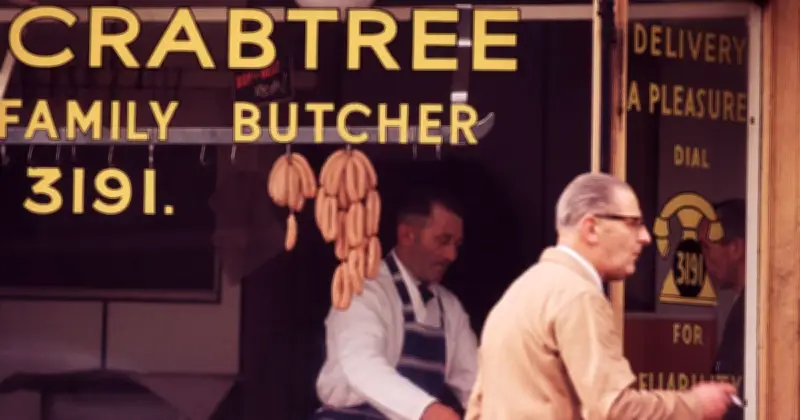
UK Sausage Week is underway, and the annual event is being promoted as a chance to back British farmers, local butchers and family businesses. The campaign comes at a time when the agricultural sector has faced considerable strain, with farmers reportedly struggling since Labour took power and businesses across the country hit by two Budgets that have raised costs, added red tape and made it more expensive to operate and employ staff.
Supporters are encouraged to visit their local butcher or farm shop, or buy bangers from supermarkets made by British sausage manufacturers. The push is framed as a way to support the best of British business when it is needed most.
The History of the British Banger
The word "sausage" is thought to derive from the Latin "salsus," meaning to salt. In the early days of the Roman Empire, pork was mixed with black pepper, cumin and bay leaves, then fried or stuffed into the washed stomach linings of a pig or sheep and cooked. Sausages are believed to have been brought to Britain by the Romans before 400AD and have evolved over the centuries.
The term "bangers" dates back to food rationing, when butchers were forced to add more water to their creations. The added water created steam when heated, causing the sausages to explode or "go bang." Naval slang is credited for the word "snorkers," made famous in the British war film The Cruel Sea, where an officer exclaims: "Snorkers – Good oh!" upon learning sausages were for dinner.
Regional Variations and a Sausage Revolution
Regional variations across the country include the Lincolnshire sausage, flavoured with sage, and the Cumberland, made with black and white pepper, nutmeg and mace, reflecting the days when Whitehaven port in the north west of England was a destination for spice traders. Other examples include the Oxford sausage, made with veal as well as pork, the Northumberland sausage containing leeks, and the Manchester sausage, which uses cloves, nutmeg and ginger in its original recipe.
British sausages fell out of favour after World War Two, but a man named Bill O'Hagan helped spark a revolution in the 1980s. A South African by birth, O'Hagan came to Britain in the 1970s and was frustrated by what he saw as the standard British sausage: limp, pink tubes of poor quality meat and chemicals. He set about making proper sausages with quality cuts of meat, herbs and spices. By the 1980s, he had left journalism to focus on his passion and opened the country's first fresh sausage shop in Greenwich in 1988.
Modern British Brands to Support
Today, butchers and farm shops offer a wide range of sausages, and supermarket shelves are stocked with British brands including HECK!, based in North Yorkshire; The Jolly Hog, run by three brothers in Bristol; and Porky Whites, a family business that started as a butcher shop in Ewell, Surrey in 1935. Porky Whites has seven nominations out of ten categories in the UK Sausage Week 2026 awards, including their Pork and Black Pudding Sausages in the Best Speciality Sausage category.
The event is framed as a way to support British farmers and businesses while enjoying a meal that helps beat the autumn cold and gloom. Duncan Barkes, a writer and broadcaster who hosts Prick With A Fork – The Sausage Podcast, encourages people to support UK Sausage Week this year if they can.