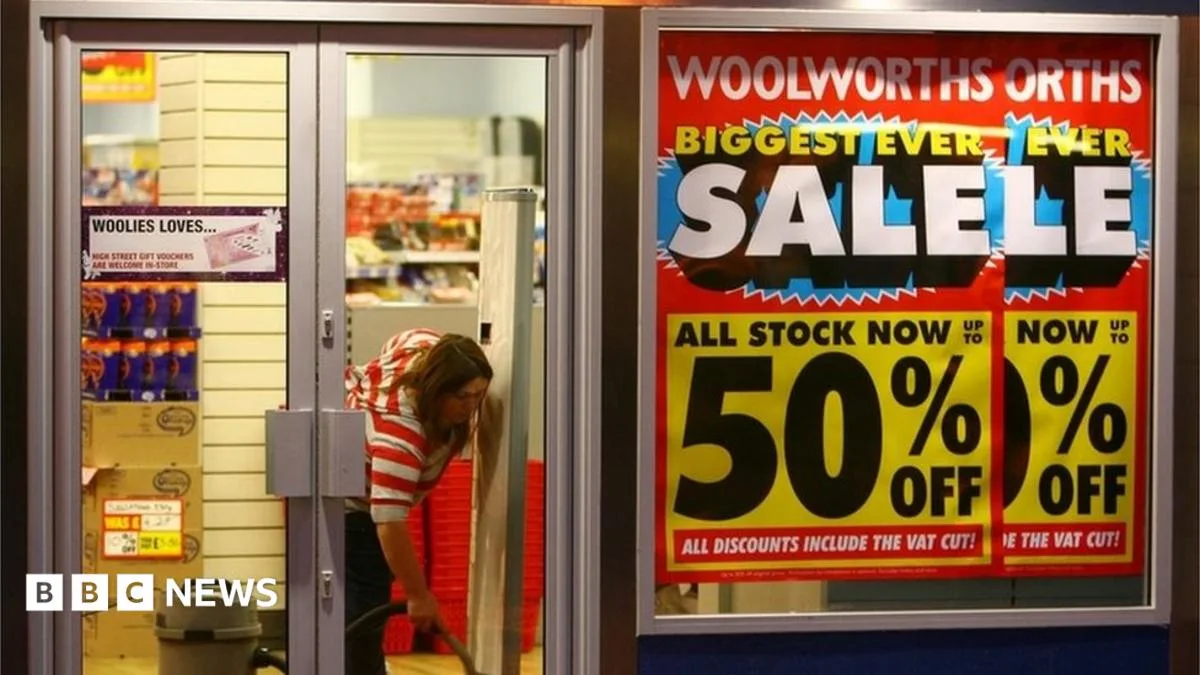
Ten years have passed since Woolworths, a beloved fixture of the British High Street, closed its doors for the final time. The retailer, which sold everything from toys to pick-and-mix sweets, had been a staple for generations but ultimately succumbed to immense debt, owing £385m at the time of its collapse.
The closure left 27,000 employees redundant and 815 stores vacant across the UK. In the decade since, nearly all of these premises have found new tenants, with discount chains stepping in to fill the void. Poundland now occupies the largest number of former Woolworths sites, followed by Iceland and B&M Bargains, according to research firm Radius.
James Child, a retail analyst at EG, reflected on the shockwaves the collapse sent through the country. He noted that the demise of such a cherished institution highlighted the vulnerability of even the most established retailers to insolvency. However, he added that the vacant units have since provided opportunities for expanding retailers and new market entrants.
The legacy of Woolworths serves as a cautionary tale in retail history, marking the end of an era for the UK High Street and the beginning of a new landscape dominated by discount and value retailers.