

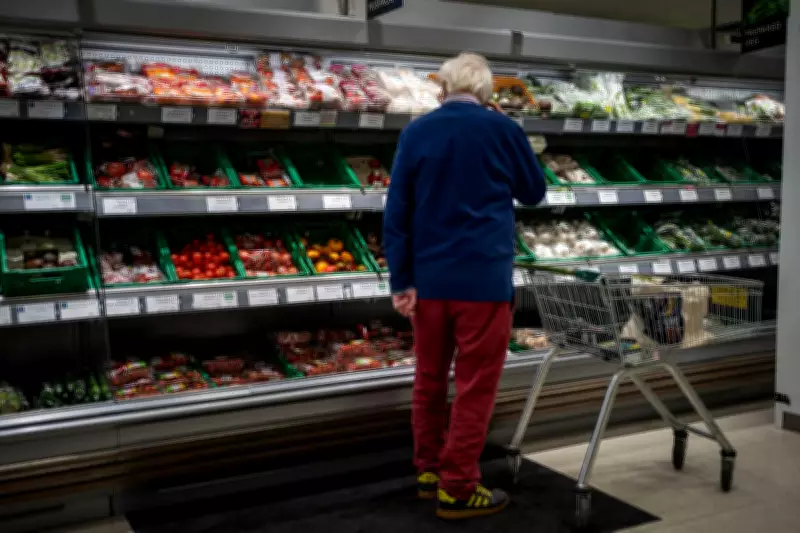
A significant disruption is affecting British households during their grocery shopping, with a new report uncovering that one in every five trips to the supermarket results in at least one missing item. This widespread issue is estimated to cost the retail industry approximately £2.1 billion in displaced sales each year, highlighting a major operational challenge for retailers across the country.
Consumer Behaviour Shifts Dramatically
The problem is driving a notable and rapid shift in how consumers approach their shopping. Almost half of all shoppers, specifically 44 per cent, have resorted to visiting an alternative grocer or switching supermarkets entirely in the past year to secure needed items. This figure rises sharply to nearly two-thirds among consumers under the age of 45, according to a comprehensive study conducted by DHL Supply Chain and the consultancy Retail Economics.
Availability Overtakes Price as Key Concern
Product availability has become a primary concern for shoppers, with almost six in 10, or 59 per cent, citing it as a key reason for shopping across multiple stores. Strikingly, one in three consumers now prioritises product availability over price when making purchasing decisions, marking a significant change in shopping priorities amid ongoing economic pressures.

Convenience Stores Hit Hardest by Stock Issues
Convenience stores appear to be particularly affected by these stock availability problems. While they account for around a fifth of total grocery sales, they are responsible for almost half of all displaced spending due to empty shelves. A significant 63 per cent of shoppers believe that product availability is worse in convenience outlets compared to larger supermarkets, indicating a specific vulnerability in this retail segment.
Industry Leaders Warn of Lasting Impacts
Nick Archer, managing director of convenience and consumer at DHL Supply Chain, commented on the findings, stating: "The research shows that even small stock gaps can have a significant impact on how shoppers feel about a retailer. Despite the pressure on shoppers' wallets, loyalty is being driven by more than price. In a market where customers can switch stores with ease, availability is much more than an operational metric. Being competitive in today's market requires precision."
Retail Economics chief executive Richard Lim added: "In today's environment of busy lifestyles, hybrid working and smaller, more frequent shopping trips, customers expect to find what they need quickly and easily. This is not only limited to grocery, but in all retail sectors, from fashion to beauty. Convenience comes down to having products there when the customer needs them, and availability has become the clearest sign of reliability. Retailers who get it right will be the ones who earn trust and lasting loyalty."
The report underscores a critical juncture for UK retailers, where operational efficiency in stock management is directly translating into consumer trust and financial performance. With £2.1 billion at stake annually, the pressure to improve availability and reduce missing items is more urgent than ever, as shoppers increasingly vote with their feet and wallets based on reliability rather than price alone.






