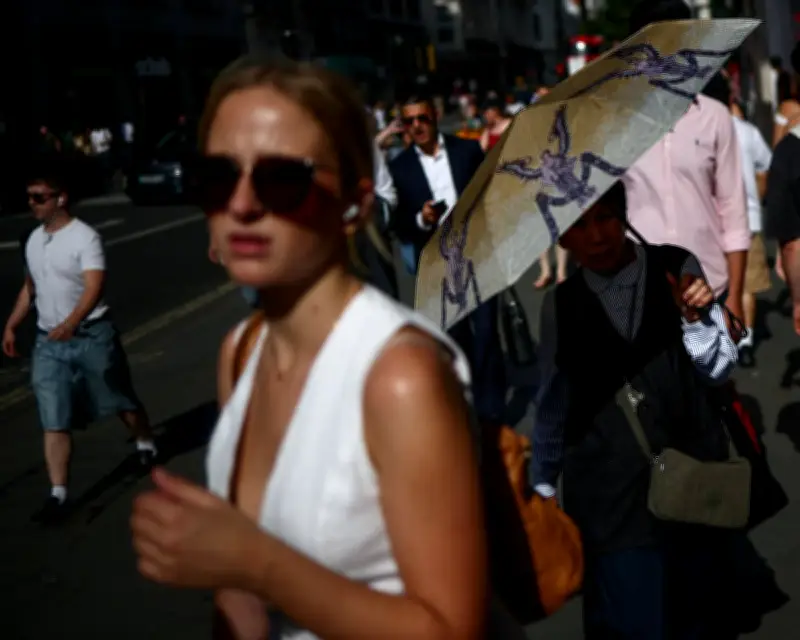
UK high streets saw a significant drop in footfall during July's heatwaves, as shoppers opted for online purchases instead. According to research by Sensormatic for the British Retail Consortium (BRC), trips to high streets fell by 3.8% year on year in July, following a 6.2% decline in June.
Retail Parks Show Resilience
Shopping centres also experienced a decline in visitors, but retail parks returned to growth. Overall, there was a 2.1% decrease in visits to all shopping destinations compared with the same month last year.
Helen Dickinson, BRC chief executive, attributed the downturn to the heatwave, stating: "The heatwave continued to bear down on retail footfall in July, with high streets worst affected." She noted that London was particularly impacted, as soaring temperatures made tube and train travel less attractive, with some commuters and shoppers opting to stay home.
Regional Variations
The capital saw 5.3% fewer shoppers last month, compared with a 3% decrease across England. In contrast, Scotland experienced a 2.7% increase, Northern Ireland a 2.5% rise, and Wales had flat footfall due to less intense weather.
Dickinson highlighted the broader implications of climate change, saying: "Climate change continues to deliver more and more extreme temperatures in the UK." She explained that retailers are investing in mitigations such as air conditioning and more efficient refrigeration, as well as sustainability initiatives to reduce carbon emissions. However, she criticized the business rates system, noting: "Unfortunately, business rates often punish stores for such investments, showing the need for government to look again at this broken system."
Mixed Fortunes for Retailers
The figures reveal differing fortunes among retailers during the hot spell. On Wednesday, Next upgraded its profit guidance for the third time this year, citing sunny weather and pent-up demand in the Middle East and northern Europe in the 13 weeks to 1 August. Growth was driven by other brands Next sells, including Gap, Reiss, and Joules, and strong online sales, while store trading faltered in the heat.
Fashion is expected to be a winner this summer, along with supermarkets and technology sellers, as people purchased cold food, drinks, fans, and air conditioning. Conversely, furniture and garden plants are among the losers, with furniture pressured by the cost of living and a slow housing market, and fewer plants planted due to extreme heat and dry weather.