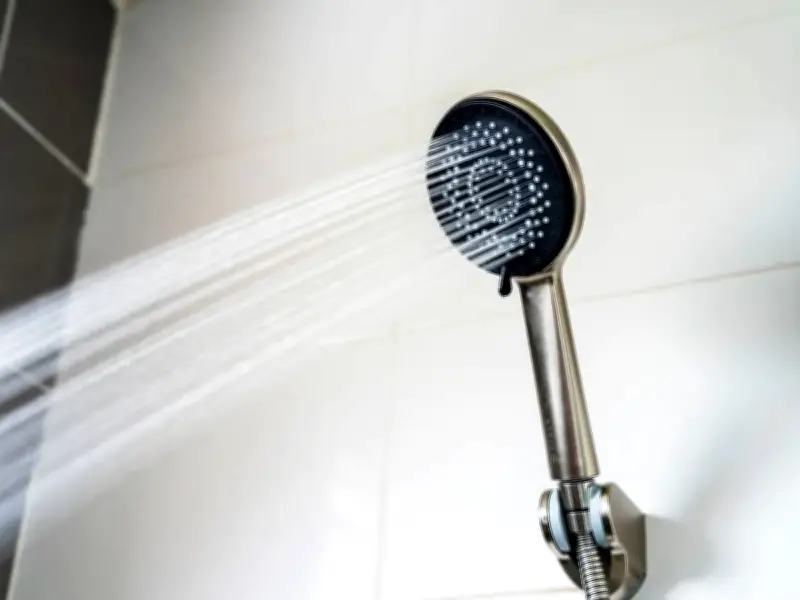
Bathrooms, and showers in particular, are prime breeding grounds for mould due to the combination of warmth, moisture and poor ventilation. Everyday activities such as showering and bathing generate significant amounts of hot steam, raising the humidity levels in the air.
Without an open window or an extractor fan, that moisture settles on walls, tiles, grout and ceilings, eventually leading to damp and, ultimately, mould. Areas that are cleaned less frequently, such as grout, are especially vulnerable, allowing mould to establish itself quickly. This makes good bathroom ventilation absolutely essential, particularly as the colder winter months approach.
Why a squeegee works
For those without an internal extractor fan, keeping mould at bay becomes a priority. While keeping the bathroom window open as much as possible is one solution, using a squeegee on wet tiles after every shower or bath is equally effective.

This simple habit prevents mould from taking hold by removing excess water from tiles and the shower enclosure before it has the chance to be absorbed or sit on surfaces. Since mould requires moisture to develop, swiftly clearing water from tiles and the shower screen reduces the humidity and dampness that spores need to thrive.
Using a squeegee on the shower screen also prevents unsightly watermarks and limescale buildup, keeping it spotlessly clean.
Two minutes a day
The task takes no more than two minutes, yet the results speak for themselves — with no sign of mould despite the absence of an extractor fan. Squeegees are widely available from supermarkets and DIY stores, though many people choose to purchase them on Amazon, where they retail for around £8. Models with metal handles are a popular choice owing to their greater durability.
Another effective method for reducing moisture levels in the home is to use a dehumidifier. This is particularly important during the winter months, especially when drying laundry indoors. Dehumidifiers work by removing excess moisture from the air that would otherwise settle on walls and surfaces.
Natural alternatives
Baking soda and salt can also serve as natural alternatives on windowsills and near sources of humidity, provided they are replaced regularly.
For those who struggle with watermarks on shower screens, limescale can be tackled using lemon juice and bicarbonate of soda. The natural acidity of lemon juice helps to break down those stubborn, cloudy deposits. Bicarbonate of soda, being mildly alkaline, is effective at cutting through soap scum and built-up grime.