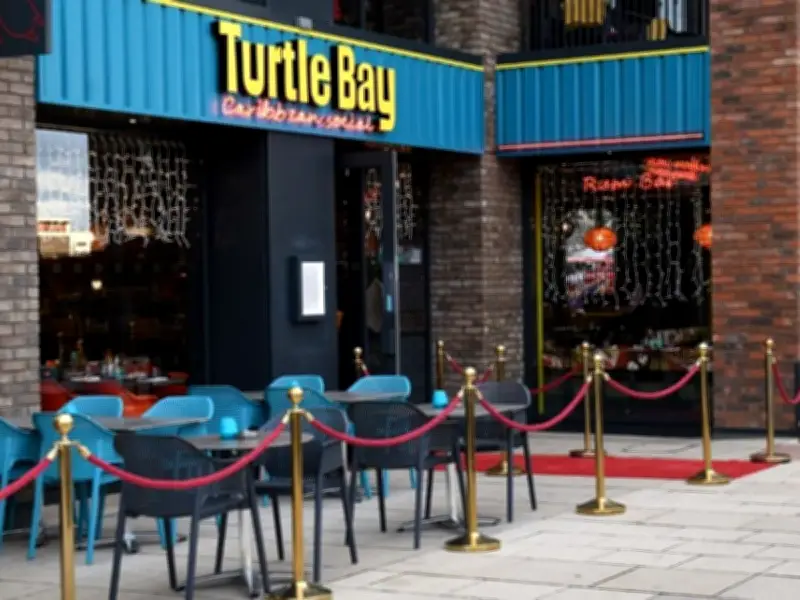
Turtle Bay, the Caribbean-inspired restaurant chain with around 50 UK venues, has confirmed plans to close three sites under a Company Voluntary Arrangement (CVA) aimed at securing its future. The closures affect restaurants in Solihull, Walthamstow and Middlesbrough, with a further 30% of the remaining estate subject to lease renegotiations.
Details of the CVA and Closures
The CVA, a restructuring process that allows businesses to renegotiate debts while continuing to trade, is designed to create what Turtle Bay describes as "a more sustainable platform for the future." Despite the closures, the chain stated that all restaurants will continue trading as normal throughout the process. The company remains confident in the long-term future of the brand and believes the proposed changes will provide a stronger foundation.
Founder Ajith Jayawickrema bought Turtle Bay back from private equity firm Piper in May 2025, after Piper had backed the company since 2013. Since the change in ownership, the company has improved its food and drinks offer, strengthened operational standards, invested in recruitment and training, and focused on enhancing the customer experience.

Industry Pressures and Economic Headwinds
Turtle Bay cited rising operating costs, reduced consumer spending, changing footfall patterns, and legacy property commitments as factors pressuring the hospitality sector. The company also highlighted increases in food, energy, business rates, employment, and recycling costs, alongside continued pressure on consumer confidence. In a statement, Turtle Bay said: "As a result, we believe we now have a sustainable business at its core. However, like much of the UK hospitality sector, Turtle Bay continues to face significant economic headwinds."
Impact on Jobs and Future Investment
The proposed CVA is intended to help address historic property commitments while protecting the majority of jobs and allowing further investment across the estate. The restructuring follows the closure of Turtle Bay's Swansea restaurant earlier this year after almost a decade of trading. A CVA is a legally binding agreement that allows a company to reach an arrangement with creditors to repay debts over time while continuing to operate. If approved by creditors, the proposals would enable Turtle Bay to continue serving customers while reshaping its property portfolio.