

Tesco, the UK's largest supermarket group, is poised to deliver its full-year results update on Thursday, April 16, with investors and analysts eagerly anticipating insights into the company's outlook for costs and pricing. This disclosure comes at a critical juncture, as the ongoing conflict in the Middle East continues to exert pressure on inflation and consumer confidence across the nation.
Inflation and Market Dynamics Under Scrutiny
Recent data from Worldpanel by Numerator indicates that grocery price inflation remained steady at 4.3% in March. However, industry forecasts suggest a potential surge, with the Food and Drink Federation predicting food inflation could exceed 9% by the end of 2026. This alarming projection is largely attributed to escalating energy costs, which constitute a significant component in food production expenses.
Tesco's strategic focus on competitive pricing has enabled it to expand its share of the UK grocery market in recent years, bolstering customer demand despite fierce competition from rivals. Nevertheless, the retail giant faces mounting challenges as the conflict in the Middle East disrupts global supply chains and fuels inflationary pressures.

Government Engagement and Cost of Living Concerns
Earlier this month, Tesco was among the retailers summoned by the Chancellor to discuss the conflict's impact on the economy. During these talks, business leaders and government officials collaboratively explored measures to alleviate the cost of living burden on consumers. This dialogue underscores the heightened scrutiny on supermarkets to balance profitability with affordability in a volatile economic landscape.
Fuel Prices and Consumer Sentiment
As the UK's largest petrol retailer, with over 500 forecourts nationwide, Tesco is uniquely positioned to comment on the ripple effects of the Middle East crisis. Since the conflict escalated in late February, petrol prices have risen by approximately 19% to an average of 158.03p per litre, while diesel prices have skyrocketed by around 34%. Shareholders and analysts will be particularly interested in whether these soaring fuel costs have dampened consumer sentiment and spending habits.
Analyst Perspectives and Financial Expectations
Dan Coatsworth, head of markets at AJ Bell, highlighted the complex dynamics at play: "Inflation should nominally boost sales figures and translate into increased revenue, but volumes may be affected as consumers cut back, and margins, which are always thin in the supermarket game, will come under pressure. A key question will be the extent to which Tesco seeks to take on some pain in order to protect its competitive position."
For the year ending in February, Tesco is projected to report adjusted operating profits of approximately £3.1 billion, closely aligning with the £3.13 billion profit recorded in the previous year. Additionally, consensus analyst forecasts anticipate revenues of £72.5 billion for the same period.
Recent Performance and Expansion Initiatives
In its January update, Tesco celebrated achieving its highest market share in over a decade, driven by robust festive sales despite intense competitive pressures. The company reported a 3.3% increase in UK and Ireland like-for-like sales over the six weeks leading up to January 3.
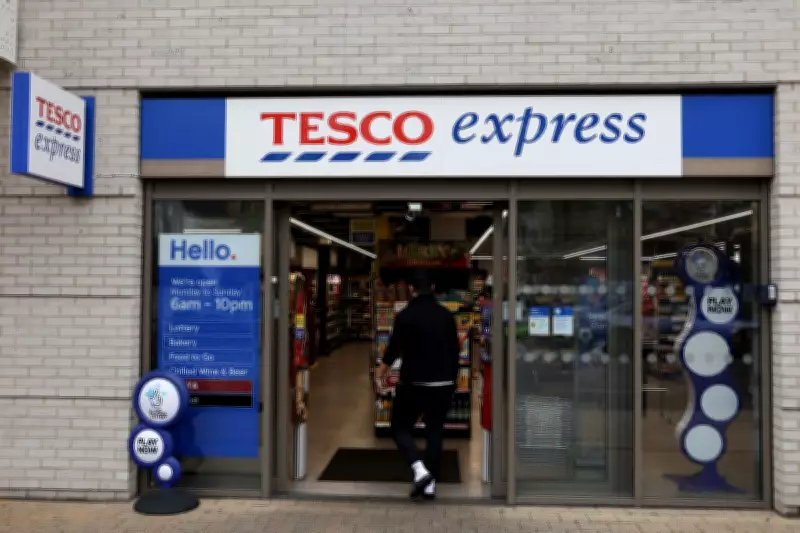
Looking ahead, Tesco has unveiled ambitious plans to expand its Express network by adding 70 new stores, including five former Amazon Fresh sites. This expansion strategy reflects the retailer's commitment to growth and adaptation in a rapidly evolving market environment.
As Tesco prepares to unveil its full-year results, all eyes will be on how the supermarket giant navigates the intertwined challenges of inflation, geopolitical instability, and shifting consumer behaviors. The insights gleaned from this update will not only shape investor sentiment but also inform broader economic discussions on resilience and sustainability in the UK retail sector.






