

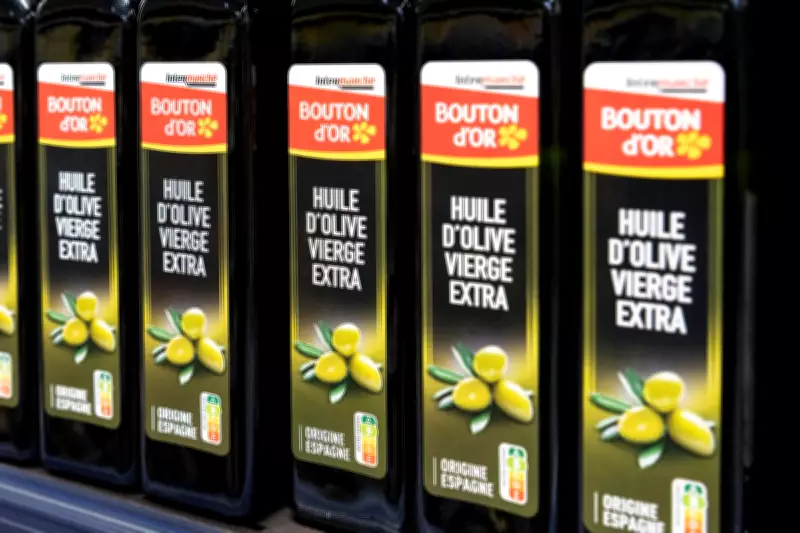
Supermarkets are facing sharp criticism for allegedly exploiting consumers by maintaining high olive oil prices despite significant reductions in wholesale costs. Walter Zanre, the director of leading olive oil brand Filippo Berio, has publicly accused retailers of "taking the mickey" by delaying price cuts and expanding their profit margins at shoppers' expense.
Price Surge and Delayed Reductions
Zanre revealed that Filippo Berio has proactively lowered its prices twice in response to falling wholesale costs, but these savings have not been fully passed on to consumers. He highlighted a dramatic price increase for a 500ml bottle of Filippo Berio olive oil, which rose from £3.75 in 2022 to a peak of £10.50 at the start of 2025. Currently, the price stands at £7.50, still significantly higher than pre-surge levels.
Retailers' Response and Market Context
In response to the accusations, Andrew Opie of the British Retail Consortium defended supermarkets, stating that retailers operate on tight margins and consistently strive to pass on savings to customers. He advised consumers to compare prices across different stores to find the best deals. The initial price hikes were largely attributed to poor harvests in Spain, the world's largest olive oil producer, which severely impacted supply.

However, with improved production forecasts for this year, there is hope for more stable and potentially lower prices in the near future. Zanre's comments underscore ongoing concerns about transparency and fairness in the retail sector, particularly as households continue to grapple with cost-of-living pressures.






