

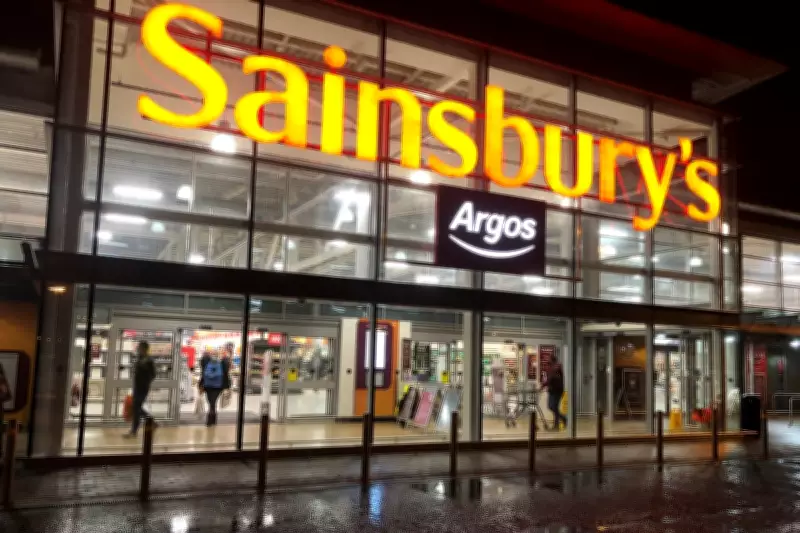
Sainsbury's, the UK's prominent grocery giant, has initiated a significant head office restructure that places approximately 300 jobs at risk across its supermarket and Argos operations. This move forms part of a broader series of changes aimed at streamlining the company's technology and data teams, as well as enhancing overall operational efficiency.
Focus on Technology and Data Division
The majority of the job cuts are concentrated within Sainsbury's technology and data division, which is undergoing a major transformation. The company is restructuring this unit into one dedicated team for Argos and two separate teams for Sainsbury's, reflecting a strategic shift to better align resources with business needs.
A spokesperson for Sainsbury's emphasised the rationale behind the changes, stating: "By maximising the power of our data and technology, we're freeing up our teams to concentrate on what matters most – delivering great food, brilliant service and fantastic value for our customers." This statement underscores the firm's commitment to leveraging technological advancements to improve customer experiences while optimising internal processes.

Broader Operational Changes
Beyond the technology and data restructure, Sainsbury's is implementing several other operational adjustments. These include rolling out changes across its store leadership, with the creation of four new regional store director roles specifically dedicated to convenience shops. This initiative aims to strengthen management oversight and drive performance in this growing segment of the retail market.
Additionally, the company is overhauling its Argos delivery model to enhance efficiency and customer satisfaction. A separate leadership board is being established for the Argos business, signalling a renewed focus on this subsidiary's strategic direction and integration within the broader Sainsbury's group.
Impact on Workforce
With a total workforce of around 140,000 employees, the 300 roles at risk represent a small but significant portion of Sainsbury's staff. The restructuring highlights the ongoing challenges faced by major retailers in adapting to technological advancements and market demands, often necessitating difficult decisions regarding workforce management.
The changes come amid a competitive retail landscape, where companies are increasingly investing in data analytics and digital infrastructure to stay ahead. Sainsbury's move reflects a broader trend in the industry towards automation and efficiency-driven operational models.
As the restructure unfolds, affected employees will likely undergo consultation processes, with the company expected to provide support and redeployment opportunities where possible. The long-term implications for Sainsbury's operational agility and market position remain to be seen, but the firm's proactive approach suggests a commitment to future-proofing its business in an evolving retail environment.






