

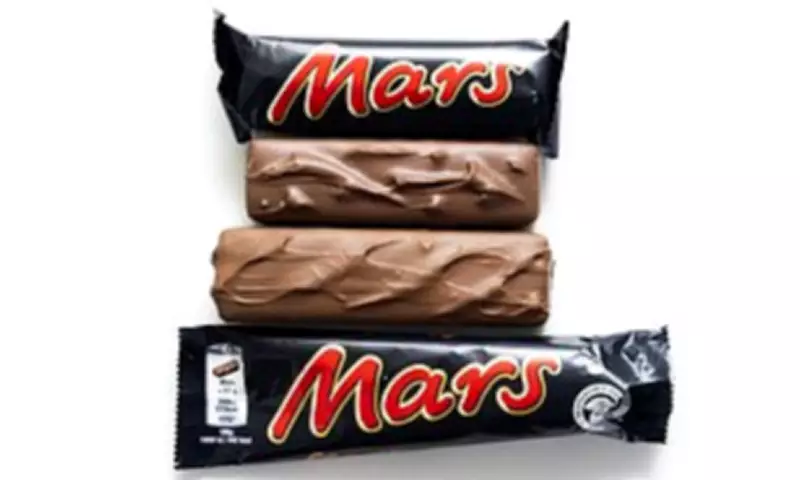
Mars Accused of 'Shrinkflation' as Chocolate Bars Shrink by Nearly a Quarter
Mars has come under fire for allegedly engaging in 'shrinkflation' after it was revealed that its chocolate bars have decreased in size by nearly a quarter, while prices have remained unchanged. Retailers reported noticing the change in March, with single bar sizes cut from 51g to 40g, without any reduction in wholesale or suggested retail pricing.
Retailers Express Outrage Over Reduced Bar Sizes
Figures from a leading wholesaler support the claims, showing that the discontinued 51g version was priced at 75p, offering stores a 24.24 per cent profit on return. The new 40g version carries the same 75p price tag and identical profit margin, effectively reducing the value for consumers.
Jim Moorhead, owner of Top Cards in Livingstone, Renfrewshire, told Better Retailing: 'I have just bought a box of Mars Bars and was shocked to discover they have reduced their weight by 21.5 per cent. I think they should be ashamed of themselves, yet again, the small business owners are being screwed. We'd have to price them at £2 to get the equivalent profit increase as the manufacturer.'

Another shop owner reacted strongly, stating: 'What kind of joke is this?' highlighting the frustration among retailers who feel pressured by the unchanged pricing despite the significant reduction in product size.
Mars Wrigley's Response to the Controversy
A Mars Wrigley UK and Ireland spokesperson defended the changes, saying: 'At Mars Wrigley, we're committed to delivering high-quality snacks consumers enjoy. Recently, we made select updates to our bar sizes and pack formats to ensure a consistent supply to our retail customers. Consumers will find a range of pack formats - from on-the-go to sharing occasions - designed to reflect new ways consumers are snacking, as well as the need for affordability.'
The spokesperson added: 'At Mars, we will always offer our high-quality snacks at the best possible value for money. As part of our work to update our pack formats, we also increased the number of products in our portfolio under 200kcal per single serving by updating bar sizes. Mars and Snickers bars are now slightly smaller. While retail pricing is set by individual retailers, our priority is always to provide the great-tasting treats consumers know and love, at prices they can afford.'
Broader Context of Chocolate 'Shrinkflation'
This incident follows a recent investigation that exposed widespread 'shrinkflation' in the chocolate industry, particularly around Easter products. Last month, it was revealed that British shoppers paid more for less for Easter chocolates at supermarkets, with an investigation uncovering significant price increases per gram across chains and brands.
The cost of chocolate across UK stores surged by 9.7 per cent in just a year, more than double the rate for overall food and drink inflation at 3.9 per cent. Easter eggs and other chocolate products from brands including Cadbury, M&Ms, Galaxy, Maltesers, and Toblerone all saw large price rises per gram.
Retailers and manufacturers attributed the rising chocolate prices to a severe global cocoa shortage caused by poor harvests, disease, and ageing trees in West Africa, compounded by high demand and increased costs for energy and transportation.
The most striking example uncovered by the probe from consumer group Which? was a Galaxy Milk Chocolate Extra Large Easter Egg at Asda, which increased from £4.98 for 252g in 2025 to £5.97 for 210g in 2026 - a 44 per cent rise in price per gram. The same product at Tesco also shrank by the same amount and became pricier, up from £6 to £7 – a rise of 40 per cent per gram, although it remains cheaper at Asda.
This trend of 'shrinkflation' highlights ongoing challenges in the confectionery market, where manufacturers are balancing cost pressures with consumer expectations, often leading to reduced product sizes without corresponding price cuts.






