In today's retail environment, where customer expectations are high and operational efficiency is under constant pressure, the way stock, staff and customers move through a building can have a direct impact on both store performance and service levels. From deliveries arriving at loading bays and stock being stored, through to products reaching the shop floor, managing this flow efficiently between back-of-house and front-of-house areas is crucial to streamlining operations and protecting the safety of staff and shoppers.
Streamlining Shop Floor Operations
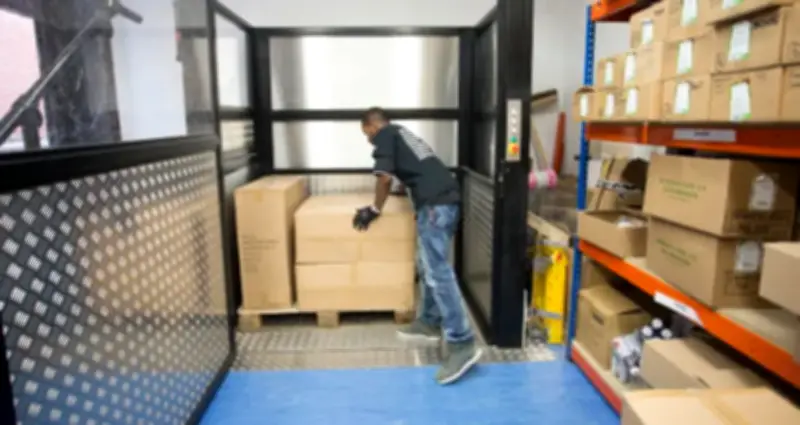
In retail, one of the main priorities is ensuring fast and reliable access to goods, as it can directly affect store efficiency, service levels and the overall shopper journey. When goods are moved quickly and safely from storage to the shop floor, staff spend less time on logistics and more time on customer service. Installing a goods lift or dumbwaiter can help reduce the risk of injury associated with manual handling by making it easier and safer to move goods between floors.
By reducing manual handling, retailers can improve workplace safety and increase operational consistency. In turn, this supports faster stock availability and turnaround times on the shop floor. Goods lifts are well-suited to moving heavy items, pallets, roll cages and trolleys between floors. With reinforced cabins and capacities of up to 2,000kg, they can help retailers move larger volumes safely and efficiently. Features such as interlocking gates, ramps and energy-efficient drive technology can further support safe loading, smoother operation and reduced handling delays.
Some goods lifts can accommodate two attendants, allowing staff to travel with goods during transportation. This is beneficial in busy retail environments, streamlining workflows and reducing handling delays. For smaller retail spaces or stockrooms split across different levels, a dumbwaiter can provide a compact way to move lighter goods quickly and safely. With capacities of up to 100kg, they can reduce reliance on stairs and help make everyday stock handling more efficient.
Improving Access and the Shopper Journey
Front of house, lifts play an important role in creating accessible, inclusive and easy-to-navigate stores. In multi-level retail environments, they help ensure every area of the store can be reached by all visitors, including wheelchair users, people with limited mobility, families with pushchairs and customers carrying heavy bags. Modern passenger lifts and platform lifts can be designed to suit the size, layout and expected footfall of a retail space, offering reliable step-free access while supporting energy-efficient operation and a smooth ride for customers.
Lifts can also play an important role in reinforcing a brand's identity, with premium finishes and bespoke detailing designed to blend seamlessly with the interior design and contribute to the overall look and feel of a store. Escalators offer a complementary solution for facilitating high-volume movement between floors. They provide a continuous flow of traffic and help to distribute footfall throughout the building, while reducing congestion at key access points.
Together, lifts and escalators can help improve movement, reduce congestion and create a more convenient shopping experience, while lifts provide the essential step-free access needed for inclusive store design. As retailers continue to focus on efficiency, safety and inclusive customer experiences, choosing the right lift solution can play an important role in keeping both goods and people moving.