

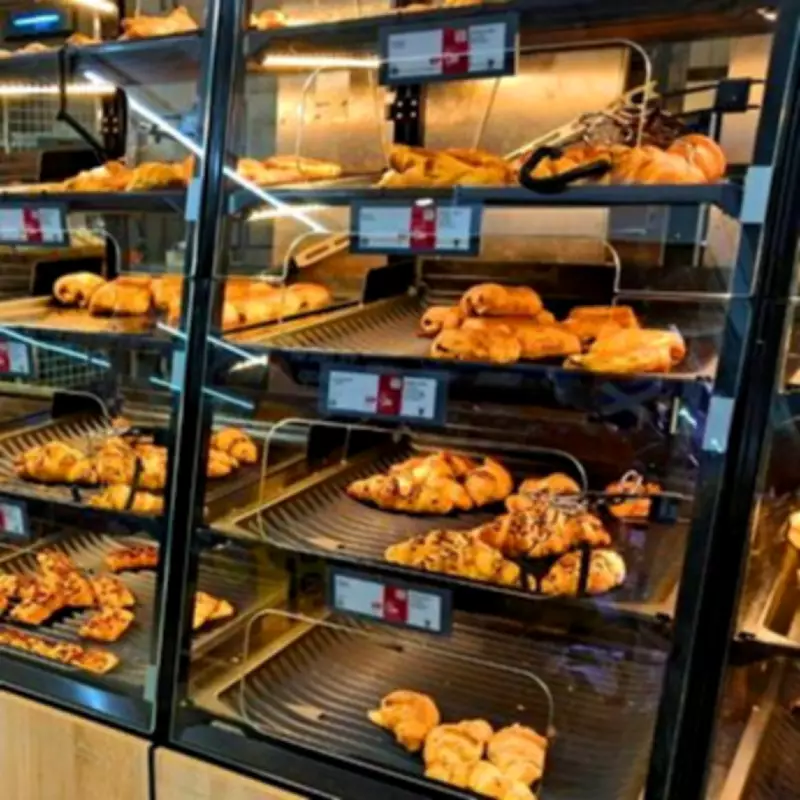
From Lidl to M&S: How a Pricey Pastry Actually Saves Me Money
Nothing fills me with more dread than reaching the end of a supermarket checkout to be confronted with an enormous shopping bill. That is precisely why I make every effort to be as thrifty as possible during my weekly food shop. I am incredibly fortunate to live just minutes away from a Lidl store, which has been crowned the cheapest supermarket in the United Kingdom for essential items.
The Shift to Marks & Spencer
However, like most people, I do enjoy treating myself to a few indulgences at the weekend. Over the past few weeks, I have started visiting my local Marks and Spencer store more frequently. Whilst some of the hefty price tags at M&S have left me wide-eyed with surprise, I have been thoroughly impressed by their bakery section. After sampling it consistently over the past month, I simply cannot bring myself to purchase Lidl's baked goods any longer.
That might come as a surprise given Lidl's well-established reputation for remarkably affordable pastries and rolls, with some items priced under one pound. You can even bag certain products for nothing if you use the Lidl Plus loyalty scheme. Meanwhile, Marks and Spencer is notorious for its premium pricing strategy across many categories.

Longevity and Quality Over Immediate Cost
Yet, I genuinely believe I have actually saved more money at the M&S bakery than I would have continuing to shop at Lidl. In my view, bread and cakes from Marks and Spencer tend to last considerably longer due to their superior quality and ingredients. This means I have ended up significantly reducing food waste by discarding far less spoiled bakery items.
I remain a big fan of Lidl overall, but their fresh bread tends to only last around a single day, making it difficult to get through an entire loaf before it goes stale. I recently purchased a loaf from M&S and it remained perfectly fresh and edible after five full days, as corroborated by reports in the Express newspaper.
A Pain au Chocolat Case Study
One of my absolute favourite baked treats is a classic pain au chocolat. I regularly made the trip to my nearest Lidl to pick one up for breakfast on a Friday morning. At Lidl, they retail at 69 pence each or three for £1.80, which represents outstanding value for money on the surface.
However, they must be consumed on the very same day of purchase. Otherwise, they can turn unpleasantly chewy or even rock solid by the following morning, leading to waste. This week, I opted to visit Marks & Spencer for my breakfast indulgence instead. A single pain au chocolat there set me back £1.35, nearly double the Lidl price.
I initially grimaced at the higher cost but then put it out of my mind over the weekend. To my pleasant surprise, I found it still perfectly edible, wonderfully flaky, and delicious come Monday morning. I also noticed it contained more chocolate than the Lidl version, and the pastry itself was considerably richer and more buttery.
Strategic Shopping for Maximum Savings
I am now convinced the occasional splurge at M&S is worthwhile for certain items. If you are keen to save a few extra pennies at Marks & Spencer, I would suggest heading to their packaged bread aisle rather than the fresh bakery counter. There, I spotted a pack of pain au chocolat for £3, working out at just 75 pence per pastry—a much more competitive price point.
In summary, if securing the absolute lowest possible price on baked goods is your primary priority, then Lidl remains firmly your best bet. But if product longevity, reduced food waste, and higher quality are what you are after, then the Marks and Spencer bakery is well worth a visit and the slightly higher initial investment.






