

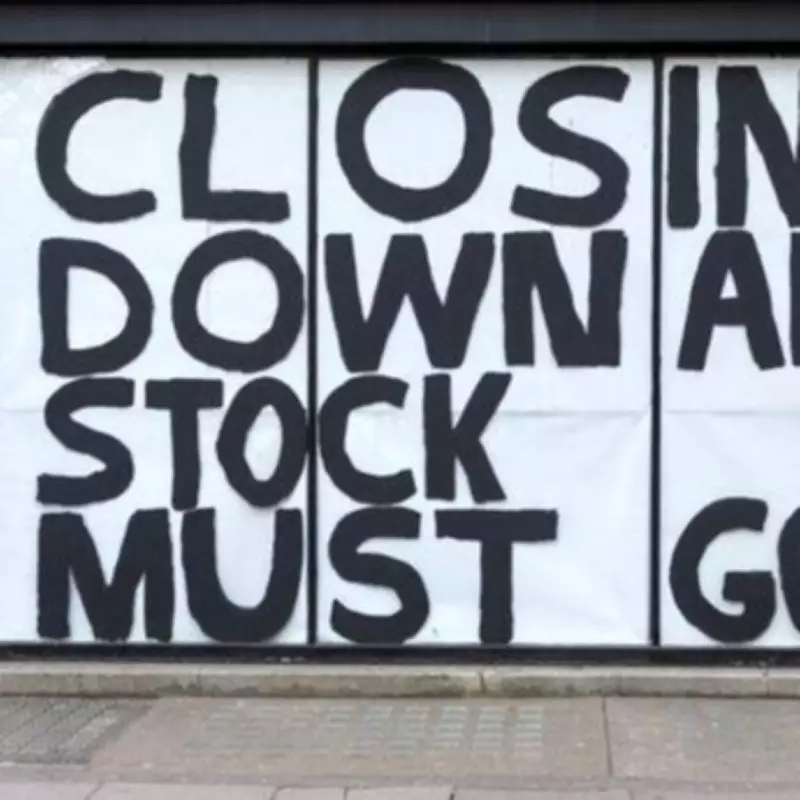
High Street Retailers Prepare for Significant Workforce Reductions
A comprehensive survey conducted by the British Retail Consortium has revealed a deeply concerning outlook for the UK's retail sector, with more than four in ten shops planning to reduce staff numbers. This alarming trend comes on top of the 250,000 high street jobs that have already been lost over the past five years, highlighting a sustained period of decline for the industry.
Survey Details and Pessimistic Outlook
The trade body questioned chief financial officers and finance directors across the retail sector, uncovering a significant increase in pessimism. Currently, 69% of respondents described themselves as pessimistic or very pessimistic about the future, a notable rise from 56% in July of the previous year. In stark contrast, only 14% expressed any optimism regarding the year ahead.
When asked to identify their primary concerns, 84% of retail leaders ranked labour and employment costs among their top three worries. This represents a dramatic increase from just 21% who held this view in July last year, underscoring the rapid escalation of financial pressures facing store operators.

Specific Cost-Cutting Measures Planned
The survey results indicate that retail bosses are preparing to implement several specific measures to manage rising employment costs. More than half of those surveyed (61%) revealed that their firms plan to reduce the number of hours offered to staff or cut overtime opportunities. Additionally, 45% stated they would need to implement recruitment freezes to control expenditure.
Job reductions appear inevitable across multiple levels of retail organisations. The data shows that 55% of retailers plan to reduce head office workers, while 42% intend to cut store staff numbers directly. These planned reductions follow a year in which the sector has already shed 74,000 jobs, with the five-year total exceeding a quarter of a million positions lost.
Contributing Factors and Government Policy Impact
Industry analysts attribute this gloomy outlook to several converging factors. The increase in employers' national insurance costs, announced in the late 2024 Budget and implemented from April last year, has placed additional financial strain on retailers. This policy change coincided with another rise in the national living wage for millions of low-paid workers, further increasing employment expenses for sector employers.
Helen Dickinson, Chief Executive of the British Retail Consortium, emphasised the broader economic context, stating: "The economy is expected to remain fragile, with weak wage growth, unemployment rising, and low consumer confidence, all pointing towards falling demand. At the same time, businesses face sharply higher costs, from rising input prices and wage bills to new burdens created by government policy."
Recent Store Collapses and Employment Rights Concerns
The threat of further job cuts follows several high-profile retail collapses in recent months. Notable casualties include shoe shop chain Russell & Bromley and fashion retailer Quiz, both of which have entered administration, resulting in store closures and significant job losses.
The BRC has specifically highlighted concerns regarding the implementation of the Employment Rights Act, describing it as the biggest shake-up of employment rules in a generation. Dickinson warned: "How it is delivered will make or break job opportunities. Done well, the reforms can raise standards while supporting flexible and entry-level roles that are vital for people whose lives don't fit a fixed 9-5 pattern."
She added a cautionary note regarding government policy: "If the Government fails to consider business needs on policies including guaranteed hours and union rights, they will add complexity and reduce flexibility, ultimately stripping away entry-level and part-time opportunities at precisely the moment the country needs them most."

Sector Significance and Youth Employment Implications
As the country's largest private sector employer, the retail industry's struggles have far-reaching implications for the broader economy. The sector has traditionally provided numerous entry-level and part-time positions, particularly for younger workers seeking their first employment experiences.
Dickinson highlighted this concern, noting: "We all want more high-quality, well-paid jobs. But retail has already lost 250,000 roles in the past five years, and youth unemployment is climbing fast." This statement underscores the potential social consequences of continued retail sector decline, particularly for those seeking flexible work arrangements or initial career opportunities.
The combination of rising employment costs, weak consumer confidence, and the implementation of new employment regulations creates a challenging environment for high street retailers. With store bosses planning significant workforce reductions and hours cuts, the traditional retail landscape appears poised for further transformation in the coming months.





