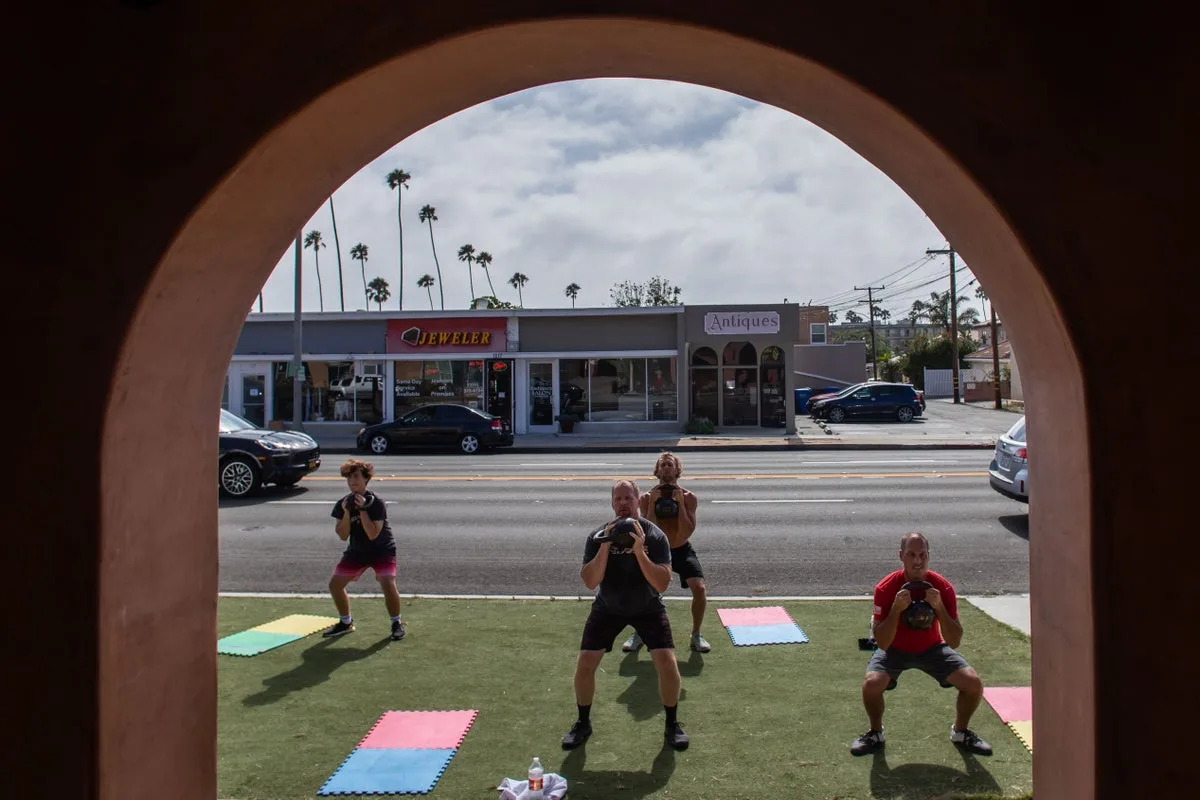
In a landmark shift for the American commercial landscape, spas, gyms, and salons have now overtaken traditional retail stores in number, according to new research. Service-oriented businesses have surpassed goods-based retailers in leasing activity for the first time on record, fueled by the explosive growth of fitness centres, medical spas, and specialty salons.
A Fundamental Change in Consumer Behaviour
Data from CoStar, reviewed by The Wall Street Journal, reveals that service-based tenants leased more than 50 percent of total retail square footage in 2025. This marks a significant jump from the 40 percent share they held just 15 years ago, indicating a profound transformation in how consumers display their social status.
Brandon Svec, national director of U.S. retail analytics for CoStar, explained to The Wall Street Journal that "a handbag used to be the luxury symbol," but contemporary consumers increasingly prefer to invest their disposable income in experiences like yoga classes or high-end facial treatments.
The Staggering Scale of the Wellness Economy
The nonprofit Global Wellness Institute reported in January that the U.S. wellness market reached an astonishing $2.1 trillion in 2024. New research shows that each of the top 25 countries in wellness spending have now exceeded their pre-pandemic market sizes.
"The U.S., which accounts for a staggering one-third (32 percent) of the total global wellness economy, is a striking example of that," the Global Wellness Institute report stated. "It grew by over $130 billion just between 2023 and 2024 — a gain roughly the size of Italy and Australia's entire wellness markets combined."
E-commerce Reshapes Physical Retail Requirements
The relentless rise of online shopping has fundamentally altered the physical space needs of traditional retailers. With e-commerce accounting for 16.4 percent of all retail activity last year, clothing and office supply stores are frequently downsizing their physical footprints.
Property owners are discovering that subdividing these large, vacated spaces can be highly profitable. Brian Finnegan, CEO of Brixmor, described a specific instance where his firm transformed a single 10,200-square-foot former liquor store in Philadelphia into four smaller units: an animal hospital, a facial spa, a stretching studio, and a nail salon. Remarkably, these four tenants now generate 20 percent more rent collectively than the previous single occupant.
Fitness as the New Social Hub
Fitness establishments are evolving into primary social venues. Noah Neiman, co-founder of the boxing chain Rumble, recently launched a new self-defense and group-fitness concept called the Pack. Neiman told The Wall Street Journal that spaces like gyms are becoming "the new happy hour," where people meet friends or bond with colleagues through physical activity rather than alcohol consumption.
Retail Vacancy Remains Surprisingly Low
Despite these dramatic shifts, U.S. retail vacancy rates remain remarkably low at 4.4 percent, showing only a slight increase from the 2024 record-low of 4.1 percent. This resilience underscores how quickly service-based businesses are filling spaces left by traditional retailers, ensuring that American street corners remain vibrant and occupied.
The data clearly illustrates that America's streets are being reshaped by wellness, with gyms, spas, and salons now constituting more than half of all U.S. retail space. This trend reflects deeper changes in consumer priorities, where experiences and personal well-being increasingly trump material possessions in the hierarchy of social signalling.