
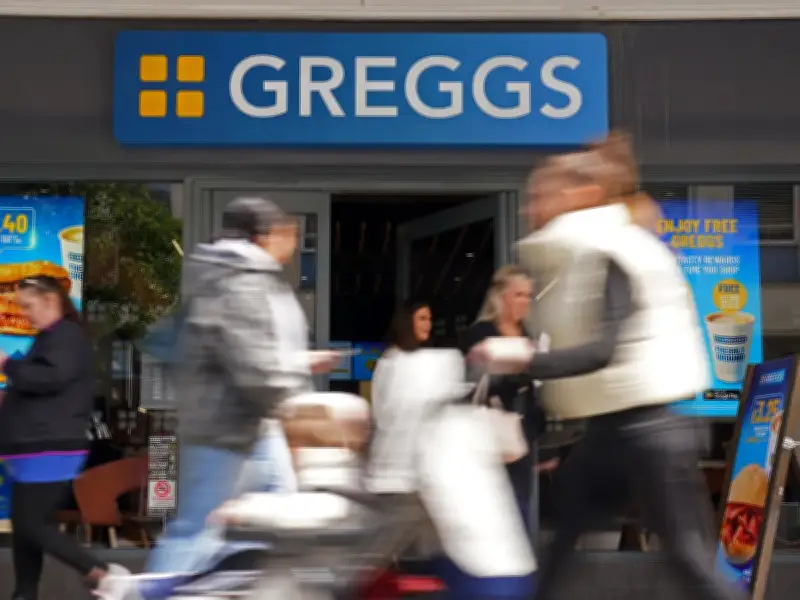
Greggs has announced plans to close four manufacturing factories, including one in Scotland, with the loss of about 740 jobs as part of a major overhaul of its food production operations. The high street bakery chain said the proposed changes, which will take place over the next two-and-a-half years, will see it relocate parts of its manufacturing process.
Factory Closures and Job Losses
The company intends to shut its manufacturing sites at Pettigrews in Kelso, Borders, as well as factories in Enfield, Greater London; North Lakes near Penrith in Cumbria, and Seaham, County Durham. It will continue to run distribution operations from Enfield.
The proposals will also affect manufacturing operations at its Treforest site in Wales, but this will continue as a distribution centre for the business. Greggs also said it will reduce the range of products manufactured at its site in Clydesmill, Glasgow, and at its Manchester location, while stopping the manufacturing of tinned bread at Gosforth.
Consolidation and Costs
The bakery chain said this will consolidate its manufacturing operations, with the firm set to source a small number of products from specialist suppliers. Greggs retail shops will not be affected by the changes.
The shake-up will cost the firm around £60 million, including disruption costs and redundancy payments. However, it said the plans will save it around £20 million across the 2028 and 2029 financial years.
Sales Growth and Market Conditions
It came as the retail business revealed that sales grew by 7.7 per cent in the three months to September 26, compared with the same period a year earlier. Trading improved across the quarter as Greggs benefited from product launches and “more settled weather” in August and September.
It said this represented progress in face of “challenging market conditions”, as consumer finances continue to come under pressure. Like-for-like sales grew by 3.4 per cent across its managed stores, with overall growth buoyed by the opening of new shops.
Greggs said it has opened 95 new shops and closed 38 in the year to date, taking its overall estate to 2,796 shops. This means the company has had 57 net new openings, with predictions it will have between 100 and 110 shops on a net basis by the end of the year.
The retailer stressed that current cost inflation is “well managed” and likely to stay around 2 per cent for 2026. However, bosses warned that there are “signs of greater inflationary pressures in 2027” as higher energy costs feed through.




