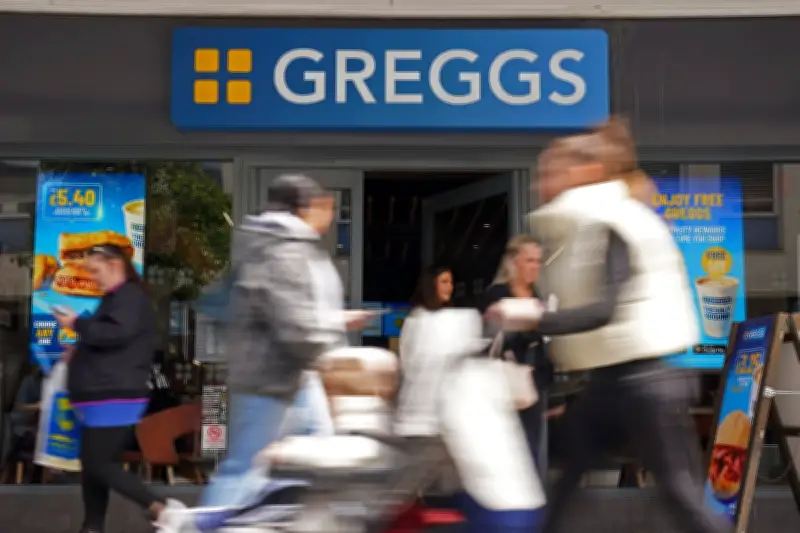
Greggs reported total sales of £1.1 billion for the 26 weeks to June 27, a 7.2% increase year-on-year, while pre-tax profit jumped by a fifth to £76 million. The growth was largely driven by the opening of 34 new shops on a net basis, with like-for-like sales in company-managed shops rising 2.1% and franchised shops up 1.3%.
Menu Innovation and Heatwave Strategy
The bakery chain attributed part of its success to menu innovations that tapped into consumer food trends, including iced matcha lattes, a chicken roll launched in April, and an expanded range of salads with more protein and clearer nutritional labelling. These items helped attract health-conscious customers and avoided a drop in sales during recent heatwaves, as people sought cold food options.
Roisin Currie, Greggs’ chief executive, told the Press Association: “You do see that when temperatures get above 30 degrees that people start to eat less. We’ve been much more resilient this year than previously because we learned some lessons.” She added: “We had also just launched, before the heatwave started to hit, a new range of salads, with some favourites in there but also some new products such as our prawn layered pasta salad and our chicken caesar along with our grains and green salad. The timing of those was great and they have sold well.”
Customers also picked fruit pots, yoghurts, wraps and picnic food like packs of sausage rolls, though Currie noted: “But the customer also wants that indulgent treat every so often. So we do still see that while health is very important, actually indulgence is also a trend that’s out there – customers want that sweet treat, not every day but when they want to treat themselves.”
Expansion and Cost Outlook
Greggs ended June with 2,773 shops and expects to open 100 to 110 on a net basis throughout 2026, many in locations without a Greggs within a mile. It is trialling a Greggs Express format with self-service units in petrol stations, aiming for 10 by year end.
The company reported overall cost inflation of 2.2% in the first half, lower than the 3% anticipated in April, and expects similar levels for the rest of the year. Currie cited the Middle East’s volatility affecting energy prices and wages as key cost pressures, though ingredient costs for coffee and cocoa have eased. She stressed no further price rises are planned after breakfast, lunch and “big” deals increased in May, stating: “Our prices are in a good place and we will now be working hard to protect the consumer and making sure that we can offer that value throughout the rest of the year.”