Greggs' New Chicken Sausage Roll: A Mirror to Modern Britain
Britain's high streets serve as a vivid reflection of national identity, with chains like Gail's, Pret, and Greggs each telling a story about our collective hopes, fears, and tastes. Among these, Greggs stands apart, its sausage rolls so culturally embedded that they feature on Christmas jumpers, inspire waxworks at Madame Tussauds, and even star in novelty songs. With 2,735 shops nationwide, the bakery chain has become a staple of British retail, prompting questions about how much further its influence can extend.
The Protein Trilogy Completes: A National Moment
On Thursday, Greggs made headlines by launching a chicken sausage roll, rounding out a protein trilogy that already includes pork and a mycoprotein vegan option. This addition marks a significant moment, reminiscent of the 2019 vegan roll debut that sparked controversy, including Piers Morgan's televised critique. Yet, Britain has clearly embraced these subtle variations on the theme of protein encased in buttery pastry, with Greggs now appearing both as a parody of itself and a lovable mirror to the national character.
Tasting the New Roll: A Study in Blandness
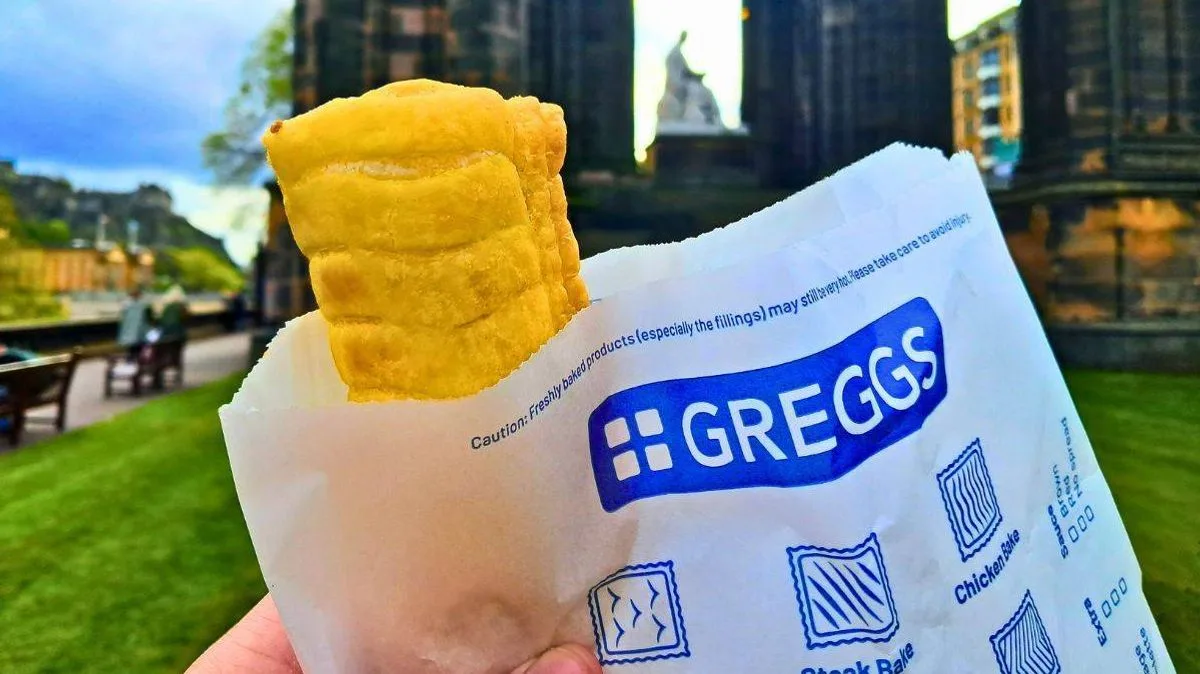
Eager to experience the latest offering firsthand, I visited a Greggs outlet shortly after breakfast. The shop was mostly empty, with only five chicken rolls remaining, while pork and vegan options were nearly full, suggesting early adopters had beaten me to it. Paying £1.35, I took my purchase to a nearby green space to enjoy in the spring sunshine.
At first glance, the chicken sausage roll is indistinguishable from its counterparts, distinguishable only by wavy pastry cuts (compared to diagonal for pork and grooved for vegan). The pastry itself is a mellow yellow rather than golden. On biting in, the pastry collapsed cleanly with minimal flakiness, revealing an interior with more air than chicken. The buttery notes were modest, as was the chicken filling—barely seasoned, with a slightly squeaky texture reminiscent of licking a Knorr stock cube, but only with intense concentration.
Overall, the roll is perfectly decent yet intentionally bland, a far cry from the aggressively flavourful or revolutionary options some might expect. It pales in comparison to memories of the original pork sausage roll, leaving a faint sense of underwhelm despite its clear target audience.
From Humble Origins to High Street Domination
Greggs did not invent the sausage roll; it simply scaled it. Historical records trace the concept back to 1809, with a baker and sausage-roll merchant mentioned in the Norwich Post. Early versions featured whole sausages baked in sturdy shortcrust pastry, sealed at both ends like a balloon, resulting in a dense, crumbly exterior and wet interior. Compared to this, modern iterations are a clear improvement.
Founded in 1939 with bread and cake deliveries by bicycle, Greggs embarked on high street domination by the 1970s. It absorbed local bakery chains in Glasgow, Leeds, and Kent, rebranding them and centralising production—a ruthlessly efficient strategy. Many smaller bakeries succumbed to regulatory pressures, planning issues, neighbour complaints, long hours, or lack of family succession, while Greggs thrived through economies of scale, lower prices, and operational liberation.
The Cost of Consistency: Losing Local Texture
Modernity has brought tangible gains, but these come at a cost. As Greggs expanded, the smaller bakeries that once dotted British high streets began to vanish, stripping away the local texture that binds communities together. It would be unfair to mock Greggs' appeal, however. The chain trades in mostly British food that feels ordinary yet distinct, bolstered by savvy internet marketing—from tweeting about stacked steak bakes to inspiring Reddit debates during payment outages.
My personal memory of a Greggs sausage roll remains vivid: a pork roll eaten on a kerb at a service station en route to a wedding in Devon, a delicious, savoury, and lightly spiced triumph that felt like a comforting, edible hug. That experience underscores the pleasure of a service station Greggs, a sentiment many share.
A Happy-Sad Culinary Icon
With the launch of another mass-produced chicken product, Greggs continues to embed the sausage roll into Britain's national story through standardisation. The new roll's remarkable blandness feels fitting, symbolising a broader trend. Forgive me if I feel happy-sad about this: happy that Greggs has turned a humble pastry into an iconic British snack, but sad at our dwindling culinary adventure, where consistency often trumps novelty. After all, a nation can feed itself perfectly well and still lose some of its flavour and texture along the way.