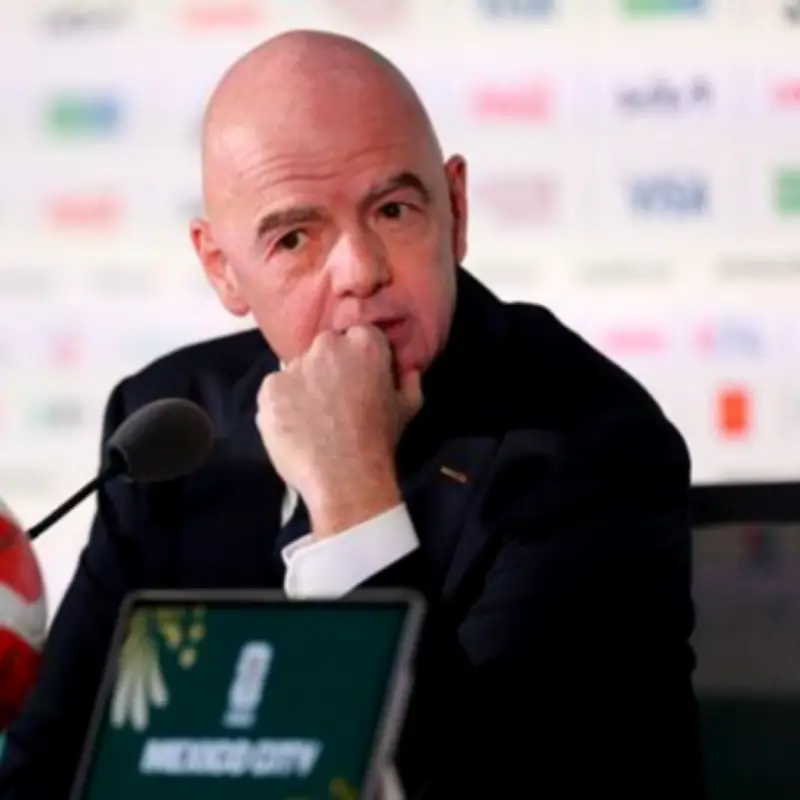
FIFA is grappling with the reality of nearly 180,000 tickets still available just as the 2026 World Cup is set to kick off. The tournament begins on Thursday evening amid a backdrop of sociopolitical tensions.
Security and Pricing Issues
Security fears have emerged following several incidents, including a shooting near England's training base. Leading referee Omar Artan was also denied entry to the United States this week ahead of the World Cup. Ticket pricing has ignited significant controversy, with extraordinarily high prices leaving countless supporters unable to afford entry. Seats for the final were reportedly advertised at nearly $33,000 (£24,600), but prices are now plummeting as demand wanes.
Ticket Availability and Price Reductions
More than 4,000 tickets remain available for the United States' opening clash against Paraguay through official channels. Despite substantial reductions, the average ticket price quoted on the site for the fixture still surpasses $800 (£597), while the cheapest remaining tickets available directly from FIFA cost $1,120 (£836). FIFA's resale portal was listing 176,000 tickets available for the opening group phase of the tournament. With roughly 15,000 tickets available for purchase for group-stage encounters on FIFA's official platform.
Backlash and Investigations
The initial hefty costs and the rollout of the widely slammed dynamic pricing model, which adjusts prices up and down according to demand, have attracted fierce backlash from both fans and politicians. New York and New Jersey officials have subsequently launched probes into the impossibly high ticket prices. The pricing structure has left thousands of seats at risk of staying vacant when matches kick off, which would prove mortifying for FIFA.
FIFA's Defense and Financial Expectations
The organisation had previously hailed the strong appetite for World Cup tickets and disclosed in January that its ticketing website had drawn over 500 million booking requests. FIFA had expected to generate more than $3 billion (£2.24 billion) from ticket and hospitality sales across the tournament, over three times the sum secured at the 2022 World Cup in Qatar. Despite operating chiefly for financial benefit and systematic profit creation, FIFA is legally registered as a non-profit organisation.
FIFA has defended its ticketing strategy as covering a broad range of price points. However, following widespread condemnation of steep prices and declining sales, a limited batch of cheaper tickets have since been made available. Ultimately, vacant seats would be a source of embarrassment for FIFA. Over the past month, the average ticket price on the official reseller platform has dropped by 20 per cent, and with a hefty 26 per cent resale fee, most resales could actually lead to a loss.