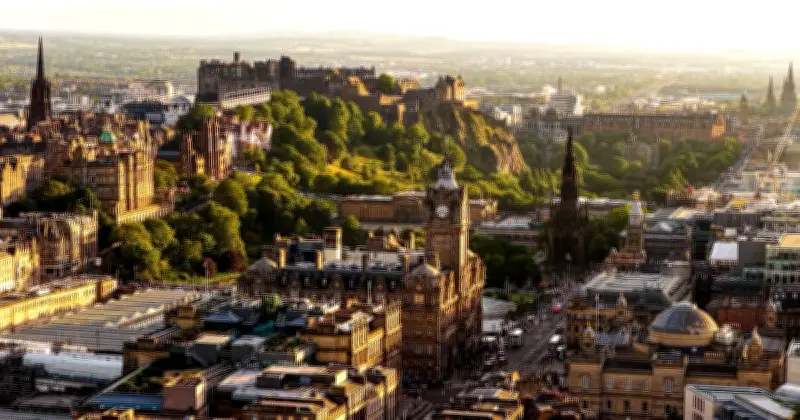
Edinburgh's new tourist tax has faced backlash and prompted cancellations just hours after taking effect. The Scottish capital introduced a 5% visitor charge on overnight stays in hotels, bed and breakfasts, and self-catering accommodation, expected to raise an additional £50 million per year.
The measure, dubbed a “cash grab”, follows similar taxes in Amsterdam, Paris, and Rome. It arrives just before Edinburgh's August festival season, which draws up to 3.5 million visitors.
Scottish Ballet cancels performances
The Scottish Ballet has cancelled its Edinburgh performances due to the tax. The show, scheduled from December 11 to December 31, will now end on Christmas Eve. The Glasgow-based company said the extra cost of accommodating cast and crew made the full run “impossible”.
Steven Roth, executive director of Scottish Ballet, said: “The economics of touring to Edinburgh are fast becoming unsustainable. We will keep finding ways to make it work because we believe in this city. But a visitor economy that becomes too expensive for both the artists who animate it and the audiences who come to see them risks undermining the very thing that makes Edinburgh worth visiting.”
Revenue and spending plans
The City of Edinburgh estimates that between £45 million and £50 million will come from tourists' pockets by the 2028/29 financial year. Council leader Jane Meagher said: “It inevitably costs us more to maintain the city to the high standards needed and it didn't seem fair that residents had to pay for that, so it seems fair that visitors should contribute.”
Funds worth £5 million will be set aside to build 472 new homes and contribute to public home improvements. Another £1 million will launch a new city centre policing unit to support events. An additional £5 million fund will restore Leith Theatre, and £3 million will go to transforming the Old Royal High School into a national music centre.
Calls for revision
The Scottish Ballet and National Theatre of Scotland have called for the levy to be revised. The Scottish Ballet has urged an exemption or relief for Scotland’s National Performance companies, including the National Theatre of Scotland, Scottish Opera, the Royal Scottish National Orchestra and the Scottish Chamber Orchestra.