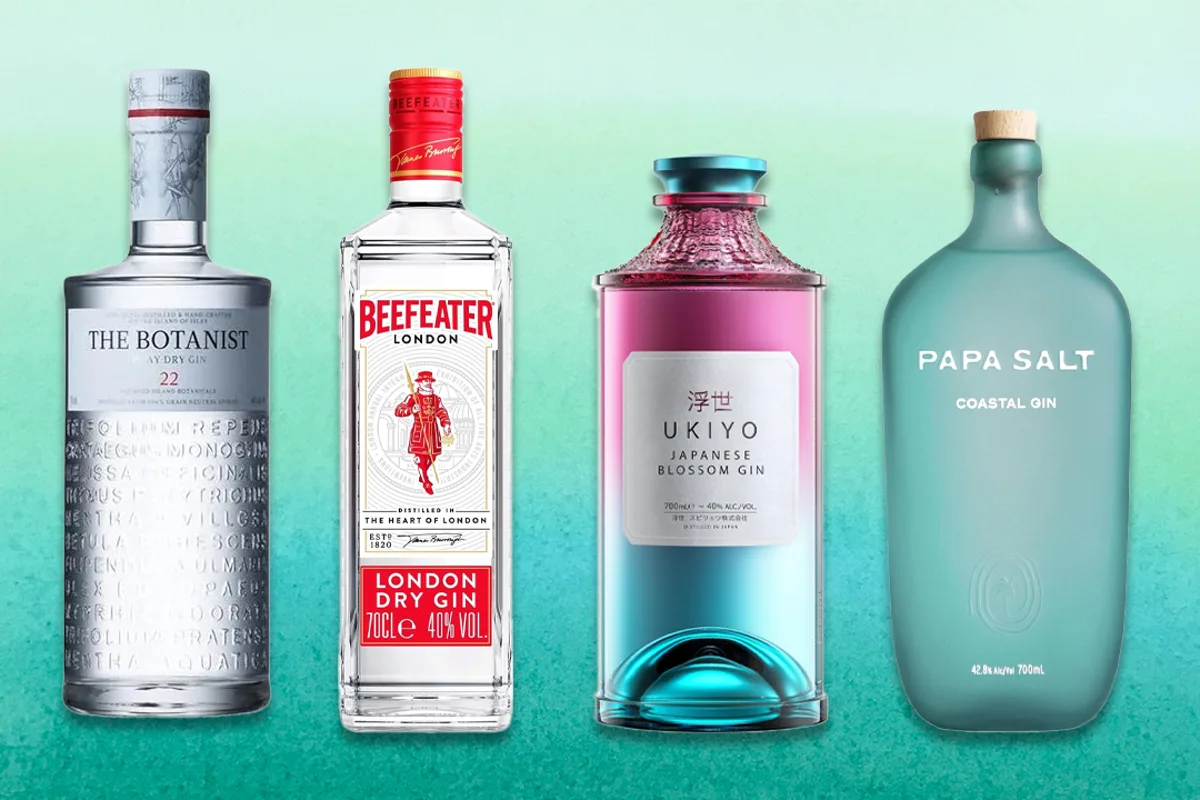
Gin has seen a revival since the 2010s, with thousands of styles now available. Distilled with botanicals like coriander seed, juniper, orris, and angelica root, the best gins balance botanicals without excessive alcohol. Many whisky distillers, such as Raasay, now produce gins using local botanicals, while innovative base spirits like grapes from Renais and sake from 135 East showcase the category's evolution.
Each gin was tasted alone and with neutral tonic, served at room temperature with ice. Quality, value, packaging, and presentation were considered. A perfect balance of spices and juniper earned one gin the title of Gin of the Year for its smoothness and minimal burn. Another classic dry gin offers a clean, clear flavour suitable for mixers or sipping neat.
Italian gin from the Amalfi coast delivers a refreshing citrus profile with pomelo and Amalfi lemon. A rhubarb-infused gin balances candied fruits and grapefruit, with citrus notes taking precedence over juniper. Hendrick's offers a berry-forward variant with blackcurrant and woody herbs, while their Cabinet of Curiosities range features a bright, elegant fruity expression.
Pink gins remain popular; Mermaid's pink gin from the Isle of Wight uses strawberry for a light, gourmand character. Palmarae, in a ceramic bottle, blends Moroccan mint, orange blossom, mandarins, and dates for a rich, unique gin ideal for cocktails. Raasay gin from the Highlands presents glacial freshness, minerality, and a peppery finish from ten balanced botanicals.
Japanese distiller 135 East produces a heavy juniper gin from sake distillate, slightly fiery with restrained botanicals. A modern gin with crisp leafy notes suits cocktails like Negronis but may be too light for purists. Finally, a gin from Islay uses 22 foraged botanicals for a robust, citrusy profile.