

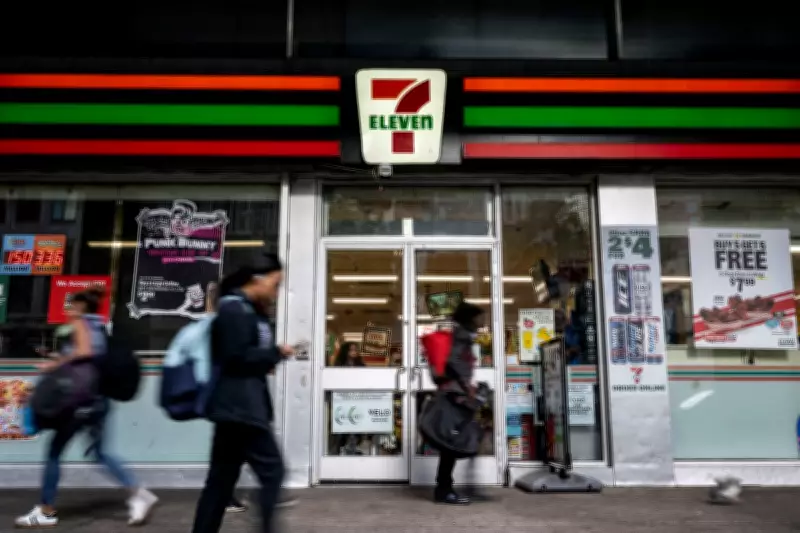
7-Eleven is set to close more than 600 stores across North America this year, according to recent reports, as the convenience retail giant embarks on a significant multi-year restructuring of its business operations. This move follows a period of steady downsizing, with the company having already shuttered a combined 700 locations through 2024 and 2025.
Strategic Shift Towards Modern Store Formats
The closures appear to be part of a broader strategic plan by parent company Seven & i Holdings to streamline finances ahead of a planned initial public offering in 2027. Based on its fourth-quarter earnings report, the company is moving away from traditional small shops and instead investing in larger stores that emphasize fresh food and a wider variety of beverages.
Not all affected locations will disappear entirely. Some are scheduled to be converted into "wholesale fuel stores," a specific category that 7-Eleven tracks separately from its official retail store count. This indicates a nuanced approach to restructuring rather than a simple reduction in footprint.

Industry-Wide Transformation
The shift reflects a broader transformation across the convenience store industry, where traditional profit drivers like tobacco and fuel are being supplemented or replaced by high-margin prepared foods. Data from NIQ's 2024 State of Convenience report shows that while classic categories remain important for over 150,000 stores nationwide, growth is increasingly driven by locations offering better quality and more diverse food menus.
Regional chains such as Wawa and Sheetz have successfully demonstrated this model, rebranding themselves as destinations for meals rather than mere quick stops. Analysts suggest 7-Eleven is undergoing a complete overhaul of its business model, not just shrinking in size.
Focus on Quality Over Quantity
On a recent podcast, eMarketer senior retail analyst Blake Doersch noted that 7-Eleven is transitioning toward a hybrid model blending elements of a traditional convenience store, grocery store, and fast-food restaurant. Doersch highlighted that while the company continues to open new locations, it has closed more stores than it has opened over the past two years, signaling a prioritization of store quality and design over sheer location count.
Financial pressures have been mounting for several years. In 2024, 7-Eleven announced plans to close 444 underperforming stores, approximately 3 percent of its North American base, to recoup costs. While only 227 of those locations closed by year-end, the remainder were phased out through 2025. The company cited weaker foot traffic and shifting consumer behaviors influenced by economic challenges at the time.
Embracing Food-Centric Growth
Despite these hurdles, the industry's pivot toward food appears to be yielding positive results. According to the NACS 2023 State of the Industry Report, prepared food sales surged 12 percent across the sector in a single year. Convenience Store Dive reported that 7-Eleven is capitalizing on this trend by replacing struggling older shops with new, food-focused designs better aligned with contemporary shopping habits.
7-Eleven did not immediately respond to a request for comment from The Independent regarding these developments. The restructuring underscores a strategic realignment aimed at enhancing competitiveness in an evolving retail landscape.






