Older state pensioners who live together will see their Winter Fuel Payments reduced from £300 to as little as £100 each. While most pensioners will see payments for Winter 2026 totalling £300, this applies only to those who live alone, with most receiving £200, some £100, and others £150 per person.
Payment amounts based on birth dates
The exact amount depends on circumstances during the qualifying week of September 21 to 27, 2026. According to the 2026 rules from the Winter Fuel Payment service, those born between September 28, 1946 and June 27, 1960 who live with another state pensioner born in the same timeframe will each receive £100.
If you were born between September 28, 1946 and June 27, 1960 but live with someone born before September 28, 1946, you will also receive £100. This rises to £150 each if both you and the person you live with were born before September 28, 1946.
Higher payments for those living alone
Finally, you get £200 if you were born before September 28, 1946 but live with someone born between September 28, 1946 and June 27, 1960. For sole state pensioners who do not live with another state pensioner, the rules are simpler: £200 if you were under 80 during the qualifying week, and £300 if you were over 80.
Payments are sent automatically, with those earning more than £35,000 expected to pay the money back to HMRC, either through a change to their tax code or via a self-assessment tax return for those with income to declare, such as rental income.
Government guidance on payments
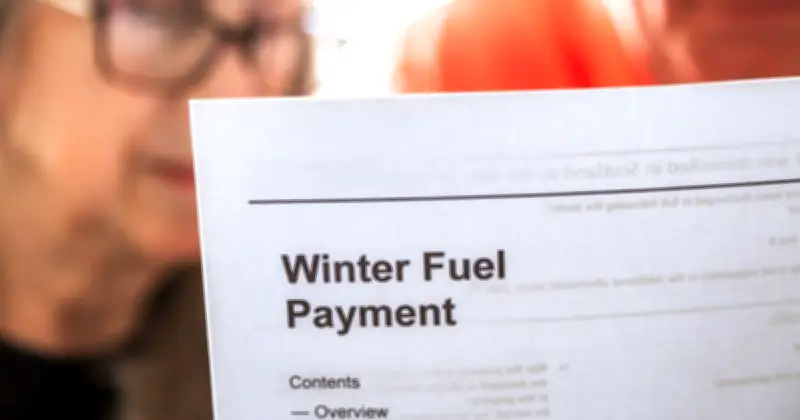
The government explains: “You’ll get a letter in October or November telling you how much Winter Fuel Payment you’ll get, if you’re eligible. If you do not get a letter but think you’re eligible, check if you need to make a claim.”
“The amount you get is based on when you were born and your circumstances between 21 to 27 September 2026. This is called the ‘qualifying week’. Any money you get will not affect your other benefits. HMRC will take your Winter Fuel Payment back by either: changing your tax code; [or] adding the amount to your Self Assessment tax return.”