
Major UK supermarkets including Asda, Aldi, Tesco, Morrisons, Sainsbury's, and Lidl must comply with new pricing regulations that came into effect in April 2026. The reforms to the Price Marking Order 2004 aim to make it easier for shoppers to compare products and identify the best value, particularly as manufacturers increasingly reduce pack sizes while maintaining or increasing prices—a practice known as 'shrinkflation'.
The new rules standardise unit pricing, requiring all shelf labels to display prices per kilogram, litre, metre, square metre, or cubic metre. This bans the previous practice of mixing different measurements on the same shelf, such as pricing one product per kilogram and another per gram, which made comparisons difficult. The regulations also extend unit pricing to more packaged goods, including cereals, pasta, dried fruits, detergents, cleaning products, and cosmetics.
Loyalty schemes such as Tesco Clubcard and Sainsbury's Nectar Card are now subject to the regulations. Retailers must display both the standard and loyalty prices together, with corresponding unit prices, and ensure neither price is given 'undue prominence'. Eligibility conditions must be clearly stated next to the prices.
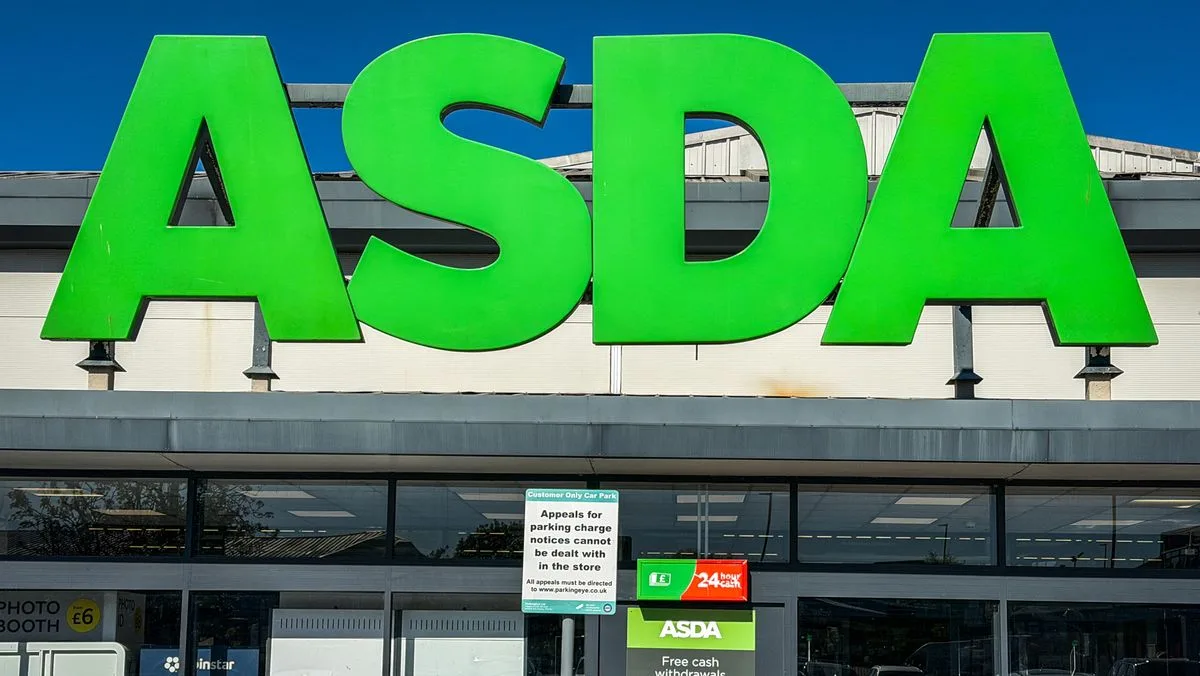
Last year, Asda was found to have sold items in breach of the previous legislation for several weeks before updating its shelf labels and apologising. The new rules aim to prevent such issues and enhance transparency. Smaller retailers with a floor space of less than 280 square metres are exempt, and sweeping reductions like '20% off all paint' are permitted without updating every individual label.




