
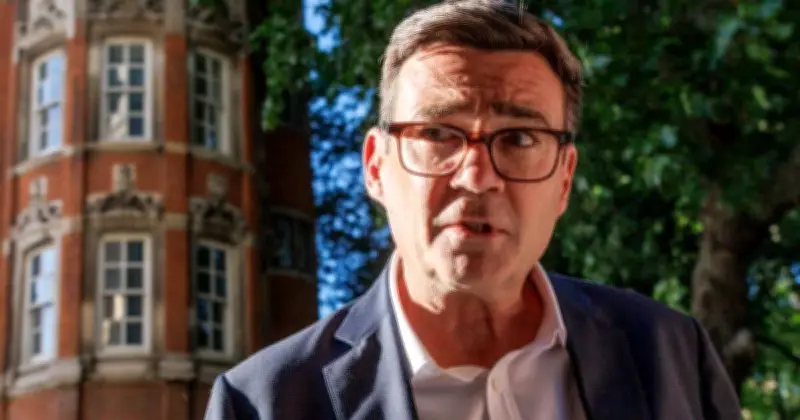
Homeowners in the south of England could face annual bills almost three times higher than those in the north under potential council tax reforms supported by Labour MP Andy Burnham, according to analysis by The Telegraph. The Labour MP for Makerfield, widely expected to be the next prime minister, has long endorsed a land value tax (LVT), a yearly levy on the value of private land. Burnham, the former Mayor of Greater Manchester, has previously described LVT as "very productive" and argued it would compel landowners to use land rather than hoard it.
How the Land Value Tax Would Work
The proposal would replace council tax with a 1% levy on land value. Currently, average council tax bills are higher in the north than the south, but a 1% LVT would reverse this. Analysis by The Telegraph suggests southerners would pay an average of £1,650 annually, while northerners would see bills of £600. This contrasts with current Band D council tax bills: in Burnham's constituency, the bill is £2,152, while in Westminster, central London, it averages £1,048, according to analysis by the campaign group Fairer Share, which advocates for stamp duty and council tax reforms.
Political Reactions to the Proposal
Shadow Secretary of State for Housing, Communities and Local Government, Sir James Cleverly, criticised the plan, calling it a "garden tax" straight out of former Labour leader Jeremy Corbyn's playbook. He said LVT is a tax on aspiration that would punish families who have worked and saved hard to invest in their homes. In contrast, Patrick Hurley, the Labour MP for Southport, told Fairer Share that his constituents know the current council tax system is unfair. "Families here work hard and shouldn’t be asked to shoulder a bigger burden than wealthier parts of the country," Hurley said.
Impact on Homeowners and Unanswered Questions
A land tax would likely see those living in larger homes with bigger gardens paying more compared with less well-off people in smaller properties. Burnham has not addressed precisely how or whether he would reform property taxes such as council tax, which is based on property valuations from the 1990s. The tax has not seen major reform for decades under both Labour and Conservative administrations.




