
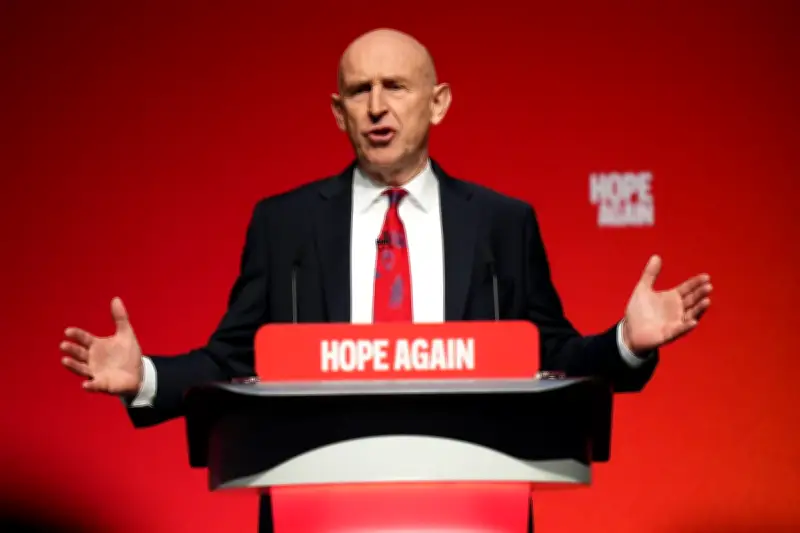
A global bond sell-off has driven UK gilt yields to 6% for the first time in nearly three decades, intensifying pressure on Chancellor John Healey ahead of his inaugural Budget later this month.
The yield on UK Government bonds, also known as gilts, reached 6.07% in morning trading on Thursday – the highest level since 1998. The worldwide bond market turmoil also spilled over into equities, with London's FTSE 100 Index tumbling by 1.7%.
How gilt yields affect borrowing
Gilt yields move counter to the value of the bonds, meaning their prices fall when yields rise. Rising yields on these bonds mean it costs more for governments to borrow from financial markets.
This intensifies the challenge facing Chancellor John Healey as he looks to set out his first Budget at a time of pressure on Britain's creaking public finances and rising debt pile.
Analyst warns of narrow path
Axel Rudolph, chief technical analyst at IG, said: “Higher yields mean the Government has to pay more to finance its debt, putting further pressure on the public finances and making it harder to balance spending commitments with the need to keep borrowing under control.
“Even the recent fall in oil prices hasn't provided any lasting relief for bond markets.
“With yields still rising, the Chancellor faces an increasingly narrow path as he prepares to set out his plans for the economy.”




