
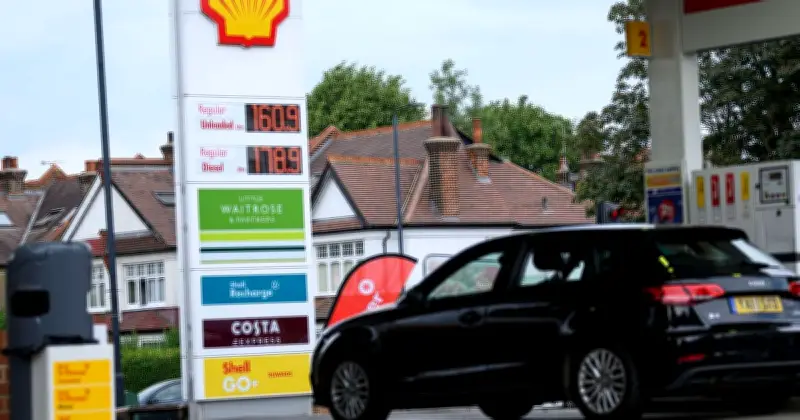
Petrol and diesel prices are expected to keep climbing in the days ahead, with experts warning that motorists could soon see pump prices return to the highs recorded during the Iran conflict. Fresh figures from RAC Fuel Watch show the average price of petrol has reached 157.81p per litre, less than 2p below the Iran War peak of 159.93p recorded at the end of May. That represents a rise of around 7p per litre from July 6, when petrol fell to 150.59p.
Diesel rising faster
Diesel motorists are now paying an average of 175.71p per litre. Although this remains about 15p below the highest price since the Middle East conflict began, drivers are still facing steep costs. Since the death of Iranian Supreme Leader Ali Khamenei on February 28, the average price of diesel has climbed by 23%, adding more than 33p to every litre.
Petrol prices are currently increasing by an average of 0.3p per day, while diesel is rising even faster at around 0.46p per day, according to GB News.
RAC warns of grim outlook
Simon Williams, head of policy at the RAC, said the outlook for drivers filling up at forecourts remained "pretty grim". He added: "Since the start of July, petrol has already increased by more than 6.5p a litre and diesel by 9p, adding £3.50 and £5 to the cost of filling up a family car respectively."
"It looks highly likely now that petrol will hit 160p a litre - its highest level since the United States/Iran conflict began - and diesel 180p by the end of this week, off the back of an elevated oil price."
The price of diesel is rising faster than petrol due to the UK's heavy reliance on diesel imports and increased demand for US diesel.
Oil prices ease but relief unlikely
Oil prices have retreated after surging above $100 (£75) a barrel last week, falling to around $91 (£68) following a reduction in strikes across the Middle East. However, Simon Williams said this was unlikely to bring any immediate relief at the pumps. The RAC said fuel prices would only begin to ease if there was a "sustained drop" in tensions lasting several weeks.
Experts have repeatedly urged drivers to cut fuel bills by comparing prices before filling up, including through apps such as myRAC and PetrolPrices.com.




