
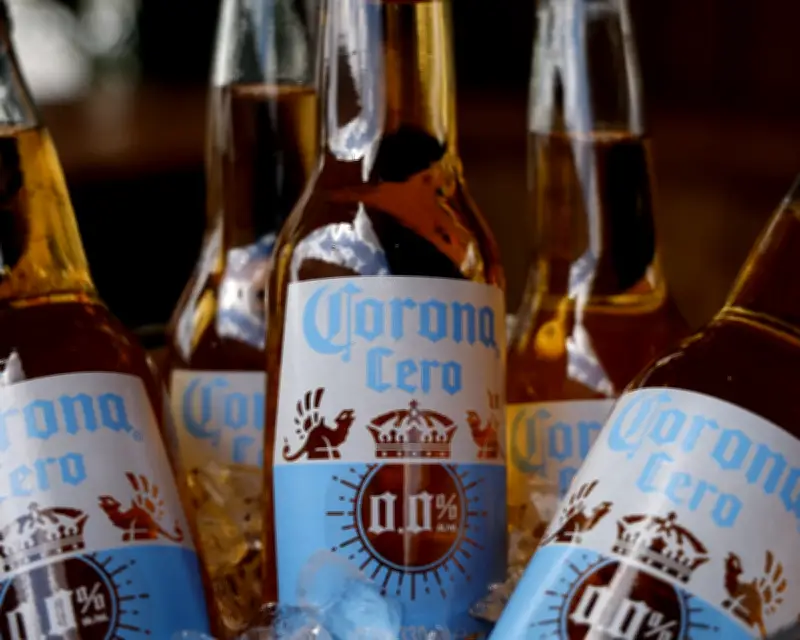
More than 64 million pints of low- and no-alcohol beer are forecast to be sold in the UK this summer, an increase of 8 million compared with 2025, according to the British Beer and Pub Association (BBPA). The trade body said the figures prove the category is "not just a fad."
The surge in demand comes amid lower alcohol consumption rates among younger people and a broader trend toward moderation, with the UK experiencing multiple prolonged heatwaves. However, the BBPA warns that further growth in the "no and low" beer category, sometimes called "nolo," could be curtailed by the UK's official definition of what constitutes alcohol-free beer.
Definition Discrepancy
Currently, UK guidelines define alcohol-free beer as having an alcohol by volume (ABV) content of 0.05% or lower. In many other countries, the threshold is 10 times higher, at 0.5%. Removing alcohol entirely from beer while retaining its signature flavour and aroma is extremely difficult. Typically, beer is brewed in much the same way before undergoing dealcoholisation through methods such as pressure or heat, which can remove flavour or increase cost.
There is no legal prohibition on a beer with 0.5% ABV being advertised as alcohol-free. However, the BBPA says the official definition of 0.05% is creating confusion and holding back investment and innovation in the category.
Industry Calls for Change
Luke Boase, founder of alcohol-free brand Lucky Saint, said: "When the sun is out and the football is on, people want to make the most of it, and alcohol-free beer matches the occasion. We think the government updating the alcohol-free definition to 0.5% will get more people drinking alcohol-free in this country, which can only be a good thing."
Emma McClarkin, chief executive of the BBPA, said: "We need government to keep the momentum going by changing the alcohol-free definition to 0.5%. This will open the door to greater investment, keep us on par with international markets, and deliver even more options for people who choose to moderate – everyone wins."
Government Response
A government spokesperson from the Department of Health and Social Care said: "The government recognises the role no- and low-alcohol products can play in helping people reduce their alcohol intake and in boosting public health. To support innovation in this area and help businesses thrive, we are considering changing the threshold at which a drink may be described as alcohol-free. We have engaged with a range of stakeholders on this issue, including the BBPA. We will take other public health considerations into account and update in due course."
The BBPA noted that historic sales figures show no- and low-alcohol beer is the sector's biggest growth category across the UK, with volume growth of 870% since 2013. Changing the definition could further accelerate this trend, allowing British brewers to compete internationally and meet rising consumer demand for healthier options.




