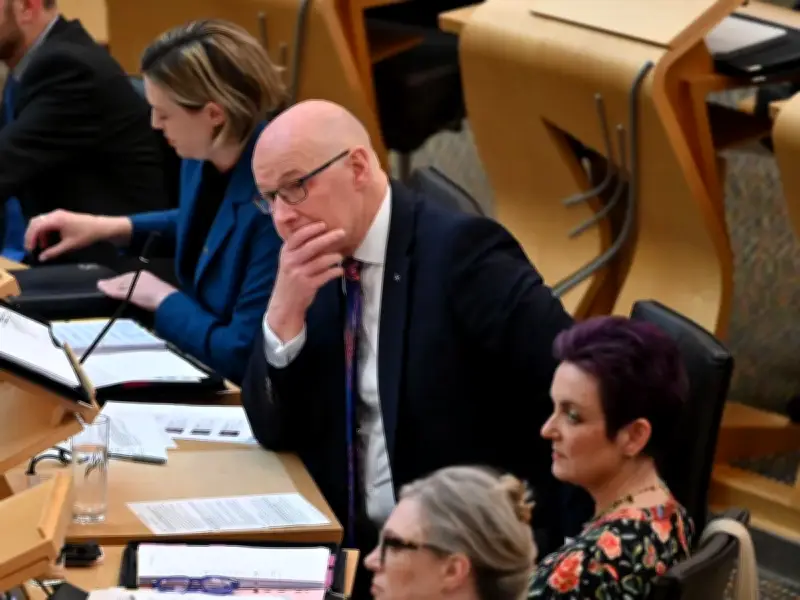
John Swinney's plan to cap food prices risks overshadowing the positive policies he announced in his first Programme for Government since being re-elected as First Minister.
Positive measures announced
A £2 bus fare cap in Glasgow and the west of Scotland was welcomed as a boost for passengers during the cost-of-living crisis. Cutting the number of NHS boards from 14 to two could reduce waste, while merging councils might improve decision-making. An anti-misogyny Bill was also described as a long-overdue measure to tackle a societal menace.
Concerns over food price cap
However, the next two years of the Parliament could be dominated by a pre-election gimmick that has no chance of succeeding, according to critics. Swinney promised during the Holyrood campaign to cap the cost of essential items like bread and eggs through legislation. Documents published today show the Government does not know when these plans will come into force, which items will be affected, or the price at which staples would be sold.

The legality of the plan, which appears to require UK Government cooperation, is also questionable. Swinney made it a key part of his election campaign but did not mention it in his speech. Even senior SNP figures believe the plan will be stopped in the courts, if it gets that far.
Party insider comparison
One party insider compared the price control intervention to Alex Salmond's plan for a local income tax in the SNP's first term. The insider said it was "ill-thought out, illegal and was never going to happen, but we clung to it and it took attention from more popular measures."
Swinney has the political skills to push through a tricky public service reform package and the know-how to get his Budgets through, finding a "dance partner" for key elements of his Programme. But the food price cap plan is on life support with little hope of recovery.