Supreme Court Ruling Shakes Verizon and AT&T
Supreme Court Ruling Shakes Verizon, AT&T

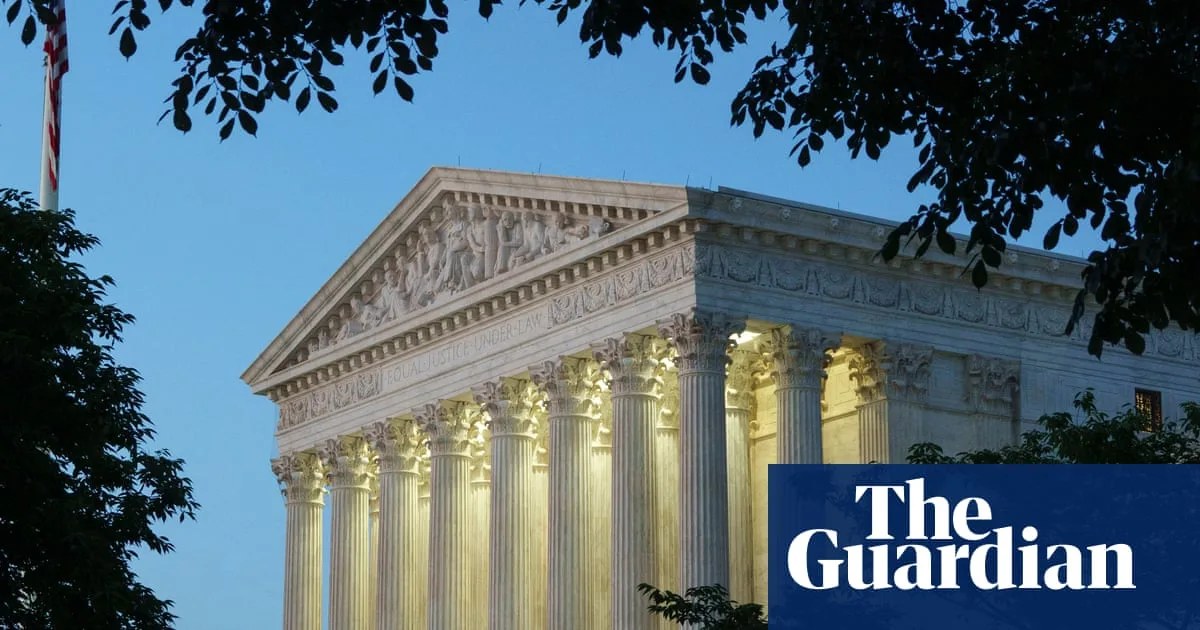
The United States Supreme Court has delivered a landmark ruling that could fundamentally alter the telecommunications landscape, with major implications for industry giants Verizon and AT&T. The decision, which centers on the principle of net neutrality, has been met with a mix of anticipation and concern from investors and consumers alike.

What the Ruling Entails

The court's verdict upholds the Federal Communications Commission's (FCC) authority to enforce net neutrality rules, which require internet service providers (ISPs) to treat all data on the internet equally, without discriminating or charging differently by user, content, website, or platform. This means that companies like Verizon and AT&T cannot prioritize their own content or charge extra for faster access to certain services.

For the telecom behemoths, this ruling represents a significant setback. They had argued that such regulations stifle innovation and investment in network infrastructure. However, consumer advocacy groups and tech companies have praised the decision, asserting that it preserves a level playing field for smaller competitors and protects free speech online.

Wide Pickt banner — collaborative shopping lists app for Telegram, phone mockup with grocery list

Market Reactions

Following the announcement, shares of Verizon and AT&T experienced notable volatility. Investors are now reassessing the long-term profitability of these companies, as the ruling limits their ability to monetize internet traffic through paid prioritization. Analysts predict that the telecom sector may face reduced revenue growth from broadband services, prompting a shift in business strategies.

Conversely, streaming services and content providers like Netflix and Amazon stand to benefit, as they will not have to pay extra for faster delivery of their content to consumers. This could further intensify competition in the digital marketplace.

Broader Implications

The Supreme Court's decision is not just a win for net neutrality advocates; it also sets a precedent for how the internet is governed in the United States. The ruling affirms the FCC's role as a regulator of broadband, which had been contested by telecom companies in court battles spanning several years.

Legal experts suggest that this could lead to further regulatory actions concerning data privacy, cybersecurity, and the digital divide. The decision may also influence how other countries approach net neutrality, as the US often sets trends in technology policy.

For consumers, the immediate effect is likely minimal, but in the long run, the ruling aims to ensure that the internet remains open and accessible. It prevents ISPs from creating fast lanes for deep-pocketed corporations, which could have led to higher costs for everyday users.

What Comes Next

Verizon and AT&T have expressed disappointment with the ruling but have not yet announced specific plans to appeal or seek legislative remedies. Some industry observers expect them to lobby Congress for new laws that would override the FCC's rules. Meanwhile, the FCC is expected to continue its oversight, potentially introducing additional measures to enforce net neutrality.

The debate over net neutrality is far from over, but for now, the Supreme Court has tipped the scales in favor of an open internet. As the telecom industry adapts, all eyes will be on how these changes affect innovation, investment, and the digital experience for millions of Americans.

Pickt after-article banner — collaborative shopping lists app with family illustration




