
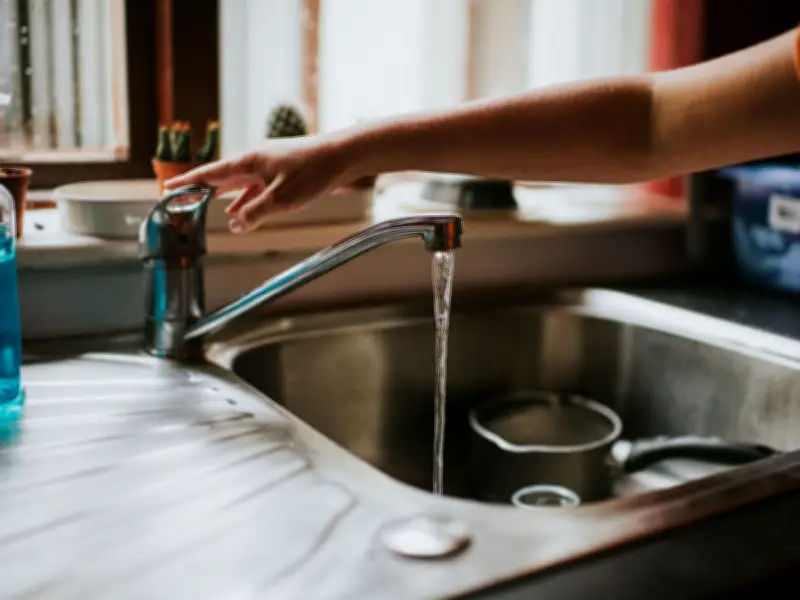
Severn Trent Water has issued a warning to homeowners to stop pouring leftover sauces, oils, and grease down the kitchen sink to prevent costly blockages. The water company advises collecting unused oils and sauces for disposal in the bin, as fats, oils, and grease can cause significant issues if poured down the drain.
Common Culprits Behind Blockages
According to Severn Trent's website, leftover food, coffee grounds, and greasy residues are common culprits behind blockages. The experts said that fats, oils, and grease can "cause big problems." To maintain clear pipework, householders should scrape pots, pans, and plates before washing or using the dishwasher, and use kitchen roll to wipe grease from pans, plates, and air fryers.
Simple Steps to Prevent Blockages
The water company provided practical advice: "Use a strainer in your kitchen sink to catch leftover food. Collect used oil, leftover sauce and coffee grounds and throw them in the bin." Following these steps can help prevent blockages and keep drains running smoothly.
Bathroom Drain Warnings
Severn Trent also warned about bathroom drains, stating: "Only ever flush the 3P's: pee, poo and (toilet) paper. Bag sanitary towels, tampons and colostomy bags then bin them. Bin wipes to avoid blocked drains, even the ones that are labelled 'flushable'. Use a bin for nappies, incontinence pads, razors, cotton buds and dental floss."
The water firm added: "Our team find lots of weird things down in the sewers. But what’s the worst thing they find? Wet wipes. We remove bags of them from sewers every single week. Flushing wet wipes clogs up the pipes. That could mean sewage flooding back into your garden and home."
Wet Wipes Ban and Pollution
According to Gov.uk, wet wipes containing plastic are a growing source of pollution. The UK is phasing out single-use wet wipes containing plastic, with a ban taking effect first in Wales on December 18, 2026, followed by Northern Ireland on May 18, 2027, England on May 19, 2027, and Scotland on August 11, 2027.
Gov.uk said: "Wet wipes containing plastic are a growing source of pollution, with a recent survey showing an average of 20 wet wipes littering every 100 metres of beach across the UK. When flushed, they can break down into microplastics that poison wildlife and enter the food chain." The ban follows overwhelming public support, with 95% of respondents to the government consultation agreeing with the proposals.
Cost of Blockages
UK Water Industry Research found that wet wipes contribute to 94% of sewer blockages, which cost water companies around £200 million to fix each year – a cost that is ultimately passed onto households through their water bills. The public can take action now by ensuring that any wet wipes, even if labelled as flushable, are put in the bin rather than flushed away, to reduce costly blockages and safeguard nature.




