
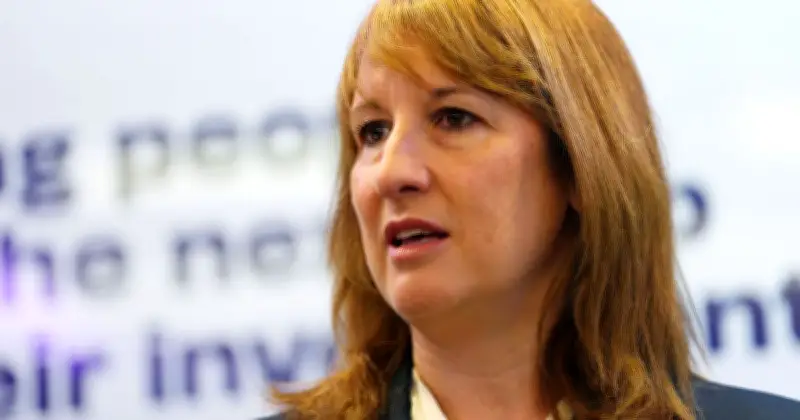
Chancellor Rachel Reeves has sparked fresh controversy by cutting Vehicle Excise Duty (VED) for HGV drivers to just £1, while car owners continue to face steep tax increases introduced since Labour took office. The move, effective July 2026, has been branded a slap in the face for everyday motorists who have endured repeated tax hikes over the past two years.
HGV Sector Gets Major Tax Break
Under the new policy, renewal VED rates for hauliers have been slashed to a nominal £1, a dramatic reduction from previous levels. HMRC justified the cut by citing the sector's "disproportionate exposure to fuel costs." The freight industry has welcomed the decision, calling it vital for protecting a key part of the UK economy.
However, critics argue that the tax break highlights a double standard. Car owners have seen first-year VED rates doubled in April 2025, with fees for the most polluting vehicles (over 255g/km CO2) rising from £2,745 to £5,490, and then to £5,690—far above inflation.
Electric Car Owners Face New Mileage Tax
In addition to higher VED, Reeves has targeted electric vehicle owners with a new electric Vehicle Excise Duty (eVED) charging 3p per mile from 2028. The proposal has faced widespread opposition from motoring groups and EV advocates, who argue it will discourage adoption of cleaner vehicles.
Fuel duty and VAT have also been a point of contention. Labour initially planned to increase rates but later U-turned, though critics say the delay caused unnecessary financial strain. Diesel prices peaked at 191p per litre in April 2026, the second highest in a decade, and remain at 176p—the highest since 2022.
Everyday Motorists Feel Left Out
Many drivers feel abandoned by the government, which has offered no similar relief for car owners. "If there was money to cut costs for HGVs, why couldn't Britain's everyday motorists also get support?" asked one motoring commentator. The lack of a fuel duty cut or VED reduction for cars is seen as a missed opportunity to ease the burden on millions of households.
The policy has reignited debate over Labour's approach to motoring taxation, with some accusing the Chancellor of prioritising industry over individuals. As fuel costs remain high, the decision may prove politically costly for Reeves and Prime Minister Keir Starmer.




