
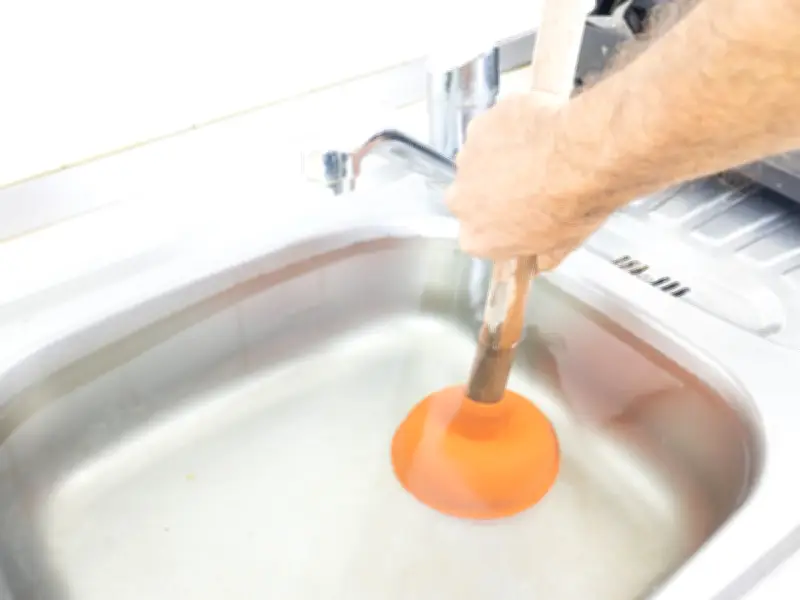
Consumer experts at Which? have warned that pouring beer down the kitchen sink on a regular basis could lead to costly plumbing repairs. While a small amount occasionally is generally harmless, frequent disposal of large quantities can cause clogs and unpleasant odors over time.
"Beer contains sugars, yeast, and other organic matter that can build up in pipes," the consumer champions explained. They advised avoiding regular large-volume pours to prevent potential issues.
Cream Liqueurs Also a Danger
Fans of cream liqueurs are also at risk. Experts at SAGE noted that these drinks are classified as FOG—fats, oils, and grease—which can wreak havoc on pipes. "Cream liqueurs have enjoyed a resurgence in popularity, but whatever the flavouring, they are all classed as FOG and can wreak havoc on pipes," SAGE said.
FOG includes not only cream liqueurs but also gravy, ice cream, cream, cooking oils, salad dressings, butter, and lard—all considered a plumber's worst nightmare.
Tuna Brine: Another Culprit
BBC DIY SOS presenter Nick Knowles warned on Morning Live about surprising causes of fatbergs, including tuna brine. He urged people not to pour tuna brine or oil down the sink. While tuna brine is mostly water and salt, leftover fish oil and food scraps can mix with grease and soap, leading to stubborn blockages or fatbergs.
"Don't pour your oils down the sink. Most people know not to pour oils down your sink now, but actually, most of us will drain a tin of tuna into the sink. With the oil that's in a tin of tuna, or maybe the fat from an air fryer, or coffee grounds, all these things add to create a block," Knowles said. He advised scraping the contents into a disposable container, like a baked bean tin, and disposing of it in the bin.
Signs Your Drain Is Blocked
Spencer Darley of Which? Trusted Trader company Drain Jet Yorkshire highlighted three key signs of a clogged drain: unpleasant smells resembling rotten food or sewage, a glugging sound indicating trapped air, and water draining more slowly. "The glugging is the sound of the airflow getting more and more restricted," Darley said. If left untreated, water may eventually stop flowing altogether.




